In this guide ▾
Roman Catholic Church Vatican City is a phrase that mixes two things travelers often treat as one. The Church is a global religious body, and Vatican City is a walled state of less than half a square kilometer inside Rome. I’ll show you where they overlap, which sites you can actually enter, and how to book a visit that makes sense of it all.
This page is about the faith and the place together. If you want ticket prices and a full comparison, my main guide to Vatican tickets online covers that side. Here I focus on what the Church is doing in this small state and what you will meet when you walk in.
Is Vatican City the Same as the Catholic Church?
Vatican City and the Catholic Church are not the same thing: the State is a country, while the Roman Catholic Church is a religious community whose sovereign body is the Holy See. International law has always treated them separately, and the official Vatican City State site says both enjoy “full recognition of their distinct international personalities.”
The link between them is the pope. The same source explains that the State’s relations with other nations are reserved to the Roman Pontiff, who acts through the Secretariat of State. For ordinary matters the President of the Governorate represents the State.
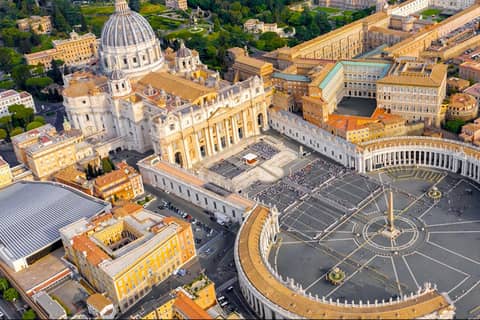
Think of it like this: the Holy See is the Church’s governing body, and Vatican City is the ground it stands on. The state exists so the Church can do its work independently. If you want a plain overview of how the faith and the city fit together, my guide to the Catholic Church in Vatican City goes through the basics.
 Want a closer look? Vatican: St. Peter's Basilica with Fast-Track Dome Entry, from $28See times →
Why Is Vatican City Important to the Roman Catholic Church?
Vatican City is important to the Roman Catholic Church because Saint Peter, the first bishop of Rome in Catholic belief, is linked to this very ground. According to the Vatican City State history page, tradition holds that Peter was martyred in Nero’s circus here during the persecution of 64 A.D., and that a necropolis along Via Cornelia held his tomb.
 Book aheadVatican: Museums & Sistine Chapel Entrance TicketCheck availability · from $36
That tomb became the center of everything. The same page says that “the presence of Peter established the topographic fulcrum of the area,” and that for two millennia it has remained one of the most important Christian pilgrimage sites. Many people chose to be buried near him.
The scale of the later building follows from that. Emperor Constantine began a large church here around 324 A.D., after the Edict of Milan in 313 A.D. granted Christians freedom of worship. That church had five naves and a transept, with Peter’s tomb at its center.
From swampland to spiritual heart
The Vatican’s swampland origins show in the name itself, which first described a marshy stretch on the right bank of the Tiber. Roman villas and gardens later appeared there, including the gardens of Agrippina, mother of Caligula, along with a vast necropolis beside the main roads.
Pope Leo IV (847-855) built the first walls of the civitas near Peter’s burial place. They became known as the Leonine walls, and the area was the spiritual heart of Rome through the Middle Ages and the Renaissance. The popes still lived at the Lateran Palace for a long time, and in 1309 the Papal See moved to Avignon, leaving Rome and the Basilica abandoned for more than a century.
I find this history useful on the ground. When you stand in St. Peter’s Square, you are standing on top of a site that grew around a grave, not a palace that was built first and later made holy.
 Skip the ticket line: St. Peter’s Basilica Priority Access Tour with Dome & Crypt, from $52Check dates →
Roman Catholic Church Vatican City by the Numbers
Roman Catholic Church Vatican City by the numbers looks tiny, since this is the smallest state you could visit, and these figures from Wikidata’s Vatican City record show just how compact it is. These are the ones that matter for a visit:
- Area: 0.44 km². You can cross the whole state on foot in a short time, so plan your day around queues and galleries, not distance.
- Founded as a state: 11 February 1929. The Church’s presence here is ancient, but the modern state is under a century old.
- Population: 949 in 2024. Most people you see inside are visitors, not residents.
- Heritage status: World Heritage Site. The whole city-state is protected, which explains the tight rules on bags and behavior.
- Official languages: Italian and Latin. Expect Italian on most signs and Latin in some inscriptions and ceremonies.
- Head of state: Leo XIV. The pope is both spiritual leader of the Church and head of this state.
- Currency: euro. You pay in euros here, like in the rest of Rome.
One more detail: the state’s web domain is .va and its calling code is +379, which tells you how seriously it is treated as a separate entity.
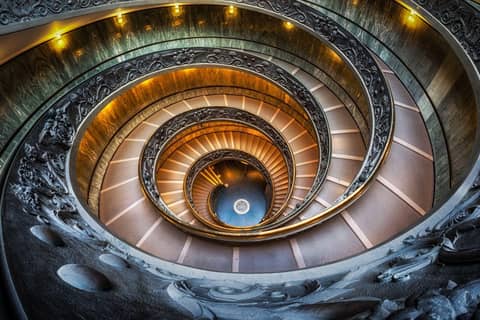 Short on time? Vatican Museums, Sistine Chapel & St. Peter's Basilica Tour, from $60Book a slot →
Who Governs Vatican City and the Holy See?
Vatican City and the Holy See are governed by the pope, though through different offices. The official diplomatic relations page says the Governorate takes part in international institutions of which the Holy See is a member, acting in the State’s name.
The same page explains a practical point. Because the State is an enclave, the Governorate maintains relations and signs the documents needed to ensure supplies, connections, facilities and public services. In other words, it keeps the lights on and the deliveries coming.
For visitors this is mostly invisible, but it explains why the Vatican has its own post, its own police and its own rules. If you want to see how the two names are used in everyday talk, my page on the Roman Catholic Vatican City setup covers the vocabulary.
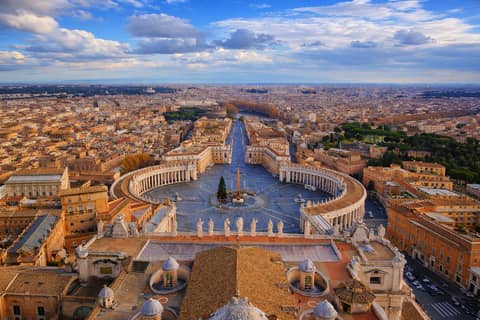 Prefer a guide? Rome: Vatican Museums, Sistine Chapel & Basilica Tour, from $71See tours →
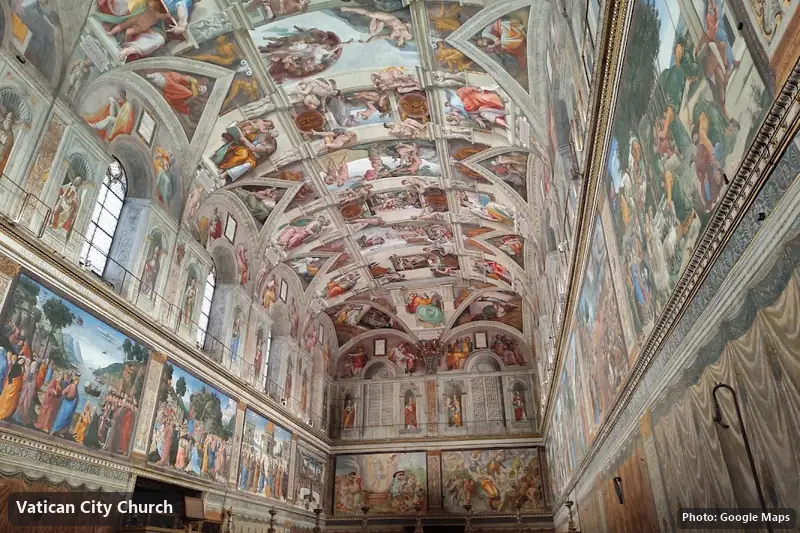
Is St. Peter’s Basilica a Church, and What About the Sistine Chapel?
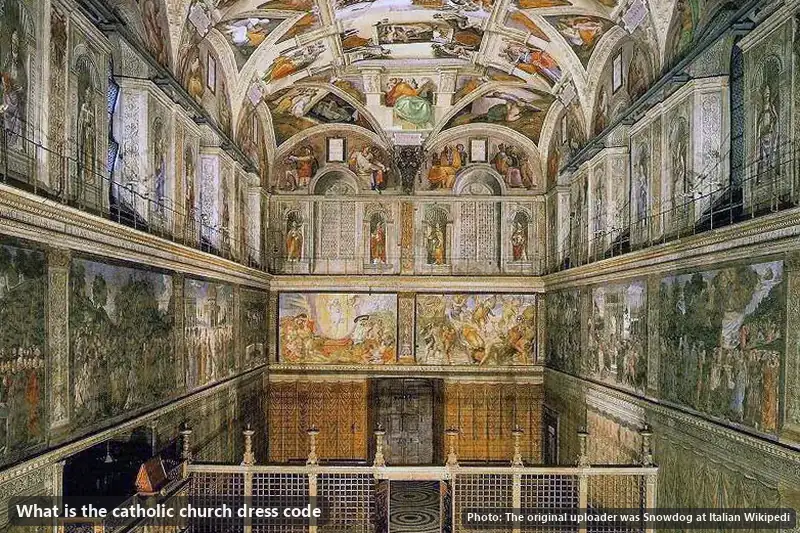
St. Peter’s Basilica is a church, and the Sistine Chapel is a chapel within the Vatican Museums complex. The two are separate buildings with separate entrances, and mixing them up is the error that costs visitors the most time.
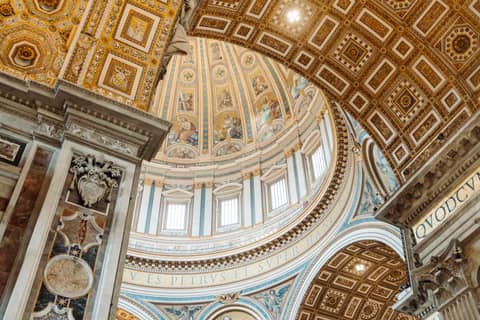
The basilica rises over Peter’s tomb. The Vatican necropolis page describes the site as having stayed “inaccessible and untouched for sixteen centuries beneath the floor of the Constantinian basilica.” It adds that Saint Peter was crucified and buried here, and that “the Pope still resides” nearby today.
The Sistine Chapel is reached through the museums. Google Maps lists it as a Catholic church, and travelers rate it highly. As one visitor put it:
“If you can, you need to visit this place. The relics and treasures are just incredible. You definitely need more than one day to take it all in. The crowds are brutal so try and go after 3pm when most of the cruise ship tours are over.”
I agree with the crowd advice there. Go late in the day if your schedule allows, because the museums route funnels everyone into the chapel at once.
Which sites are working churches?
Working churches in Vatican City are places of worship with ordinary Catholic life, not just monuments. St. Peter’s Basilica is the main one. The Pinecone Courtyard and the Raphael Rooms are part of the museum route instead.
If you want a longer list of Catholic places inside the walls, my guide to churches in Vatican City sorts them by what you can enter.
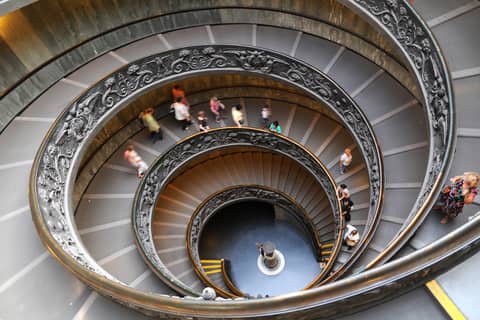 Planning ahead? Vatican: Museums & Sistine Chapel Entrance Ticket, from $36Check availability →
Visiting the Roman Catholic Church Vatican City Sites
Visiting the Roman Catholic Church Vatican City sites is possible with a timed ticket, a self-guided entry or a guided tour, and the best pick depends on whether art, history or faith matters most to you. The listings below are the ones I’d compare first, with prices as shown on GetYourGuide at the time of writing.
| Option | What it covers | Guide? | Price (USD) |
|---|---|---|---|
| Museums & Sistine Chapel entry ticket | Museums and Sistine Chapel, audio guide if selected | No | from $36.21 |
| St. Peter’s Basilica with fast-track dome entry | Basilica, dome, papal tombs, official audio guide | Audio guide | from $27.63 |
| St. Peter’s Priority Access with Dome & Crypt | Basilica, dome with elevator, crypt | Yes, English-speaking | from $52.37 |
| Museums, Sistine Chapel & Basilica tour (Enjoy Rome) | Museums, chapel, basilica if option selected | Yes | from $60.17 |
| Museums, Sistine Chapel & Basilica tour (Crown Tours) | Museums, chapel, basilica and dome with select options | Licensed guide | from $71.31 |
Prices and slots change, so confirm everything on the booking page and on the official Vatican Museums site before you pay. Also note that basilica access in the cheapest museum ticket is not guaranteed: its listing says entry to St. Peter’s is free but may vary due to crowd control.
A soft recommendation for the basilica
A basilica visit is my soft recommendation if you care more about the Church than the paintings, since Peter’s tomb, the papal tombs and Michelangelo’s Pietà are all there. These two tours both cover it, and the first adds the dome:
Vatican: St. Peter's Basilica with Fast-Track Dome Entry
Powered by GetYourGuide · affiliate link
St. Peter’s Basilica Priority Access Tour with Dome & Crypt
Powered by GetYourGuide · affiliate link
One traveler on the dome tour wrote:
“Volo was fantastic! Enthusiastic and full of knowledge. We were just going to make our own way around but I’m so glad we booked this tour. I learnt so much and had a great time. Thank you”
For help comparing every ticket type side by side, my page on how to book Vatican tickets online lays them out in one place.
 Most booked this week: Vatican Museums & Sistine Chapel Skip-the-Line Entry Ticket, from $53See prices →
Where Do You Go Inside the Walls?
Getting around inside the walls usually means one of two routes: the museums running into the Sistine Chapel, or St. Peter’s Square running into the basilica. Each starts at a different gate, so settle which comes first.
For the museums, the ticket data says to go directly to the entrance on Viale Vaticano, show your ticket to security, and then scan it at the box office. The listing also warns you not to arrive outside your assigned time slot.
For the basilica, the fast-track tour meets on Via di Porta Angelica, about 50 meters from the right side of the colonnade, at a white tent with staff in yellow vests. You can arrive 15 minutes before your chosen time. The priority access tour from Walks of Italy meets at Caffè Leonina, Piazza della Città Leonina 5, near the Ottaviano metro stop.
Sistine Chapel
Catholic church · ★ 4.7 · 98,723 Google reviews
00120 Città del Vaticano, Vatican City
Opening hours
- Friday8 am–8 pm
- Monday8 am–8 pm
- Saturday8 am–8 pm
- SundayClosed
- Thursday8 am–8 pm
- Tuesday8 am–8 pm
- Wednesday8 am–8 pm
Osteria delle Commari
Roman restaurant · ★ 4.4 · 2,085 Google reviews
Via Santamaura, 23, 00192 Roma RM, Italy
Opening hours
- Friday12–10 pm
- Monday12–10 pm
- Saturday12–10 pm
- Sunday12–10 pm
- Thursday12–10 pm
- Tuesday12–10 pm
- Wednesday12–10 pm
La cantina di Cesare -Osteria-
Roman restaurant · ★ 4.7 · 1,846 Google reviews
Via Candia, 42, 00192 Roma RM, Italy
Opening hours
- Friday11:30 am–11 pm
- Monday11:30 am–11 pm
- Saturday11:30 am–11 pm
- SundayClosed
- Thursday11:30 am–11 pm
- Tuesday11:30 am–11 pm
- Wednesday11:30 am–11 pm
The Sistine Chapel entry on the map above sits near several restaurants, which helps if you are planning lunch around a timed slot. For more on how the Vatican’s identity as a church shapes the layout, see my notes on what makes the Vatican a church.
Best value pick: Vatican: St. Peter's Basilica with Fast-Track Dome Entry, from $28View dates →Can You Visit If You Are Not Catholic?
You can visit if you are not Catholic, as none of the ticket listings I reviewed names religion as an entry requirement. They describe timed tickets, audio guides and guided walks, and the museums are sold like any major collection. I still tell friends to treat the basilica as a place of worship and to check the official site for current rules.
That matters for tone more than access. People pray in the basilica, and the Necropolis page speaks of the basilica as “a home that gathers all believers.” You do not need to share the faith to be welcome, but quiet and respect are part of the visit.
If you want to understand the beliefs behind what you see, a guided option helps. Reviewers of the guided basilica tours mention knowledgeable guides who explain the history. The Walks of Italy guide, for example, drew this comment:
“Valerio was a great guide! We would highly recommend this tour!”
I’d choose a guide when your group has mixed interest, because a good explanation turns the same room from a crowd into a story. A deeper take on the question of belief and visiting lives in my page on whether the Vatican is Catholic.
Going with family? St. Peter’s Basilica Priority Access Tour with Dome & Crypt, from $52Compare tickets →What Are Jubilees, and Do They Change a Visit?
A jubilee, or Holy Year, is a special year of forgiveness and pilgrimage in the Catholic tradition, and it can draw far more pilgrims to Rome. Wikipedia’s article on the Jubilee puts it in one line:
“A jubilee is a special year of remission of sins, debts and universal pardon.”
The tradition dates to 1300, when Pope Boniface VIII convoked a holy year. Ordinary jubilees have generally been celebrated every 25 or 50 years, with extraordinary ones declared when needed. Catholic jubilees usually involve a pilgrimage to a sacred site, normally the city of Rome.
The most recent ordinary holy year was the Jubilee Year of Hope, which ran from 24 December 2024 to 6 January 2026. The extraordinary Jubilee of St. Francis began on 10 January 2026 and ends on 10 January 2027, so it is running as I write in November 2026. An extraordinary jubilee is also planned for 2033, marking 2,000 years since the death and resurrection of Jesus.
For you, the practical point is crowds and ceremonies. I’d book earlier than you think in any jubilee period, and I’d check the official Vatican calendars for special services or closures.
Want a closer look? Vatican Museums, Sistine Chapel & St. Peter's Basilica Tour, from $60See times →
Which Tour Suits a Faith-Focused Visit?
The best tour for a faith-focused visit is, in my view, a guided basilica option, while art-centered travelers should choose a museums tour that adds the basilica. The tours below combine the museums, the Sistine Chapel and, with the right option, St. Peter’s.
Vatican Museums, Sistine Chapel & St. Peter's Basilica Tour
Powered by GetYourGuide · affiliate link
Rome: Vatican Museums, Sistine Chapel & Basilica Tour
Powered by GetYourGuide · affiliate link
Vatican: Museums & Sistine Chapel Entrance Ticket
Powered by GetYourGuide · affiliate link
Here is how I’d decide:
- Basilica first, short on time: the fast-track dome tour at $27.63 is the lowest-priced option in this set, and it includes the official audio guide.
- Basilica with a guide: the Walks of Italy priority tour covers the basilica, dome with elevator and crypt in about two hours, with an English-speaking guide.
- Museums and basilica together: the Enjoy Rome and Crown Tours listings both include a guide, and both make the basilica an option, so check which option you are selecting.
- Museums only, your own pace: the entry ticket is the cheapest way into the Sistine Chapel, with reviews that call timed entry an easier way in.
Some reviewers ask for clearer information about whether St. Peter’s is included and whether the guide is live or audio-only. Read the option names carefully before you pay. One happy buyer of the entry ticket wrote:
“value for money. I am glad that I choose this option. really helpful. thank you”
These are affiliate links, and this site is an independent guide, not the official ticket office. For the broader picture, you can book Vatican tickets from the main page, which compares all of these side by side.
Skip the ticket line: Rome: Vatican Museums, Sistine Chapel & Basilica Tour, from $71Check dates →What Should You Know About the Wider Church Topic?
The wider Church topic may interest you if this page raised bigger questions about the pope, the Holy See and how the Church is organized, and the section on the Pope and the Holy See gathers those guides in one place.
There is another route into the topic that I like. The Necropolis tour, run by the basilica, takes visitors under the floor to the burial ground around Peter’s tomb. The official page offers a reservation request form and a visitor assistance service, and it describes the place as revealing “a world of the living” through archaeological and iconographic evidence. Check its official page for current booking rules, since access is controlled.
For people who want the ground-level view of Church and state side by side, I’d also read my notes on what Catholic Vatican City means for visitors, which separates the religious sites from the civic ones.
Short on time? Vatican: Museums & Sistine Chapel Entrance Ticket, from $36Book a slot →Planning Your Roman Catholic Church Vatican City Visit
Planning a Roman Catholic Church Vatican City visit starts with deciding whether your priority is the basilica or the museums; book a timed slot for that one and add the second site on another morning if you can. It is a small state, but the queues, security checks and gallery routes make it a full day on their own.
Here is my short checklist:
- Confirm prices, hours and closures on the official Vatican sites, since they change.
- Book timed entry ahead and arrive at the right gate, not just the right area.
- Choose a guide if you want the faith and history explained, not only displayed.
- Treat the basilica as a place of worship, and expect crowds in a jubilee year.
- Plan lunch near the museum exit, where the map above shows several well-rated Roman restaurants.
When you are ready to choose, the tours above are the ones I’d compare first. The Church began at a grave on a swampy hillside, and a good visit lets you feel that thread running from Peter to the present pope.
Prefer a guide? Vatican Museums & Sistine Chapel Skip-the-Line Entry Ticket, from $53See tours →Top-rated Vatican tickets and tours
Vatican: St. Peter's Basilica with Fast-Track Dome Entry
Powered by GetYourGuide · affiliate link
St. Peter’s Basilica Priority Access Tour with Dome & Crypt
Powered by GetYourGuide · affiliate link
Vatican Museums, Sistine Chapel & St. Peter's Basilica Tour
Powered by GetYourGuide · affiliate link
Frequently asked questions
Why is Vatican important?
The Vatican matters because it holds the tomb of Saint Peter, which has made the area a major Christian pilgrimage site for two thousand years. It is also the seat of the Holy See, the sovereign body of the Catholic Church, with full international recognition.
Can you take photos in the Vatican?
My brief for this page has no official photo rules, so I will not guess at them. Check the rules for each site on the official Vatican Museums and St. Peter's Basilica pages before you go, since they can differ by room and by day.
What is the official website for buying tickets to the Vatican museums?
The Vatican Museums run their own site at museivaticani.va, and St. Peter's Basilica lists its visits at basilicasanpietro.va. Resellers such as GetYourGuide sell timed entry and guided options as well, and they are not the official ticket office.
Is the Vatican Catholic?
Yes. Vatican City State is the home of the Holy See, the sovereign body of the Catholic Church, and its head of state is the pope, currently Leo XIV. The state and the Church have distinct legal personalities, but they are closely tied.
Do you have to be Catholic to go to the Vatican?
None of the ticket and tour listings I reviewed names faith as a requirement. They describe timed entry, audio guides and guided walks. Confirm the current visiting rules on the official sites.
Keep planning your visit
More The Pope & Holy See guides
Online Vatican Tickets is an independent visitor guide. Prices and hours change: check the official Vatican Museums website before you go. Tour links are GetYourGuide affiliate links.