In this guide ▾
Throne Vatican is a short search with a long answer, because the word “throne” points to several different things in Vatican City. It can mean the pope’s ceremonial seat, a symbol of papal authority, or simply the idea of the pope as ruler of the world’s smallest state. In this guide I sort those meanings out and show you what a visitor can actually stand in front of. If you want the full picture of the state itself, start with Vatican City and the About Vatican City hub.
My advice is simple: treat the throne as a reason to see the right rooms, not as a single object on a checklist. Your day will go better if you plan around opening hours, security lines and timed tickets. You can start with the ticket options here before reading further.
What Does Throne Vatican Actually Mean?
Throne Vatican refers to a seat that stands for authority rather than a piece of furniture you could sit near. Vatican City is ruled by the pope, according to Wikipedia’s article on Vatican City, and the Holy See is the central authority of the church worldwide. So any throne Vatican visitors ask about is really a symbol of that double role: head of the Catholic Church and head of a sovereign state.
The word shows up in the Vatican’s own history too. The Vatican State’s page on the history of the Pontifical Anthem mentions the “Princes Assistant to the throne,” a title for nobles who stood close to the pope at ceremonies. It also describes the old rule that when His Holiness passed by, the troops bent their knee. That tells you how much ceremony once surrounded the papal seat.
Here is how I sort the common meanings:
- The cathedra: the formal seat of a bishop. For the pope it belongs to his role as Bishop of Rome.
- The ceremonial seat: the chair used at liturgies and audiences.
- The symbolic throne: the image of papal authority in art, in the basilica and in the language of the church.
- The throne room idea: many travelers imagine a hall where the pope sits enthroned. I cover below why that picture does not match a normal visit.
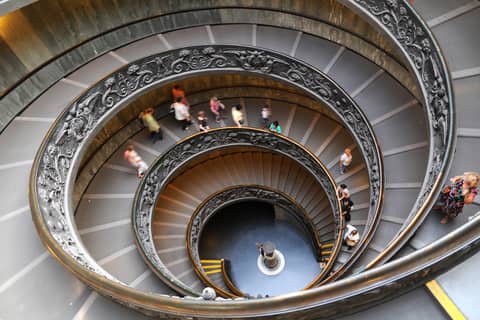 Want a closer look? Vatican: Museums & Sistine Chapel Entrance Ticket, from $36See times →
Where Is the Papal Throne in the Vatican?
The papal throne in the Vatican is not marked on any tourist map, and that catches many people off guard. The pope’s own seats are used at ceremonies and are not a standing exhibit in the museum route. What you can visit are the great spaces where those ceremonies belong: St. Peter’s Basilica, the Sistine Chapel and the museum galleries that lead to them.
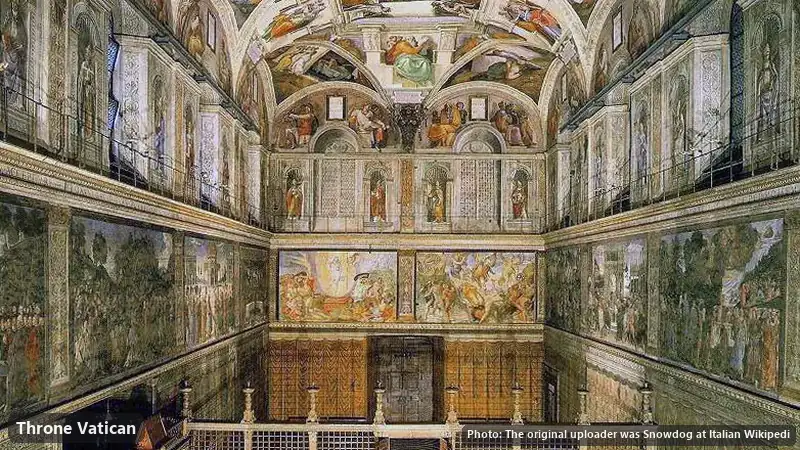 Book aheadVatican: Museums & Sistine Chapel Entrance TicketCheck availability · from $36
If you want the longer answer on the seat itself, my sibling page asks where is the papal throne in the Vatican? and goes into detail. Another page covers the pope’s seat from the point of view of what a visitor can see.
Wikipedia notes that Vatican City includes St. Peter’s Basilica, the Sistine Chapel, the Apostolic Palace, the Vatican Library and the Vatican Museums. The Apostolic Palace and the Library are not open to a normal ticket holder, so the sites you can enter are the basilica and the museum route. That is the practical limit of any throne Vatican visit.
Why There Is No “Throne Room” Tour
A Vatican throne room tour is not something I would book a visit around. The tour listings for the Vatican focus on the museums, the Sistine Chapel and the basilica. None of the highlights in those listings promise a throne room, so I would not plan around one. The best use of your time is to see the places where papal power is part of the story.
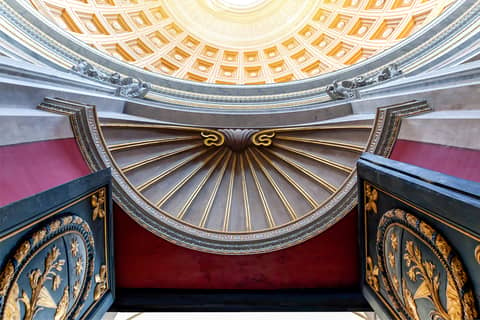 Skip the ticket line: Rome: Vatican Museums & Sistine Chapel Skip-The-Line Ticket, from $32Check dates →
Throne Vatican Facts and Figures by the Numbers
Throne Vatican facts and figures help explain why this tiny state carries such symbolic weight. All figures below come from Wikidata’s entry for Vatican City.
- Area: 0.44 km². You can cross the state on foot in a short time, so the throne Vatican story is compact. The challenge is the crowds, not the distance.
- Inception: 11 February 1929. The modern state dates from the Lateran Treaty, signed that day, as Wikipedia explains in its history section.
- Population: 949 (2024). Almost everyone you meet inside the walls is a visitor.
- Heritage designation: World Heritage Site. That is why conservation rules, bag checks and dress codes are strict.
- Head of state: Leo XIV. The ruler of the state is the pope himself.
- Official languages: Italian and Latin. Latin is the language of official documents, which you will see on inscriptions.
- Currency: euro. Pay in euros for coffee and souvenirs.
 Short on time? Vatican Museums, Sistine Chapel & St. Peter's Basilica Tour, from $60Book a slot →
How Did the Pope Come to Rule Vatican City?
The pope rules Vatican City thanks to a treaty, which is the short answer. The Lateran Treaty of 1929 settled the long dispute known as the Roman question and created the modern state, according to Wikipedia. Before that, the pope had declared himself a “prisoner in the Vatican” after Italian unification ended with the capture of Rome in 1870.
Wikipedia traces the earlier story. The Holy See first held temporal power over the Papal States, which formed with the donation of Frankish territory in 756. The pope returned to Rome at the end of the Avignon Papacy in 1377. Catholic theology also holds that Saint Peter, regarded as the first pope, was crucified on Vatican Hill in the first century, which is why the site matters to the church.
For a visitor, this history explains why symbols of authority are everywhere. A seat, a crown or a coat of arms is not decoration. Each one tells you who holds power and where it came from.
“Vatican City, officially the Vatican City State, is a landlocked sovereign city-state in Southern Europe.”
 Prefer a guide? Rome: Vatican Museums, Sistine Chapel & Basilica Tour, from $71See tours →
How Is the Pope Chosen to Sit on the Throne?
The pope is chosen by the College of Cardinals in a conclave, as Wikipedia states. He then becomes absolute ruler of the state and delegates authority to the Pontifical Commission for Vatican City State, which acts as the state’s legislative body. That is the whole constitutional picture in one paragraph.
The conclave happens inside the Sistine Chapel, and the chapel is worth seeing for that reason alone. I would not promise you can see the conclave setup, because that is not part of a normal visit. What you do see is the room itself, which brings us to the next section.
 Planning ahead? Vatican Museums & Sistine Chapel Skip-the-Line Entry Ticket, from $53Check availability →
Which Rooms Show Papal Authority on a Normal Visit?
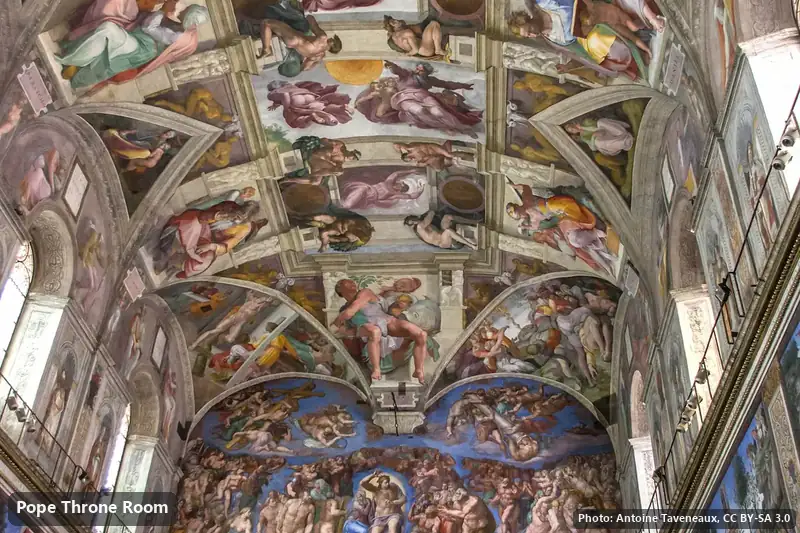
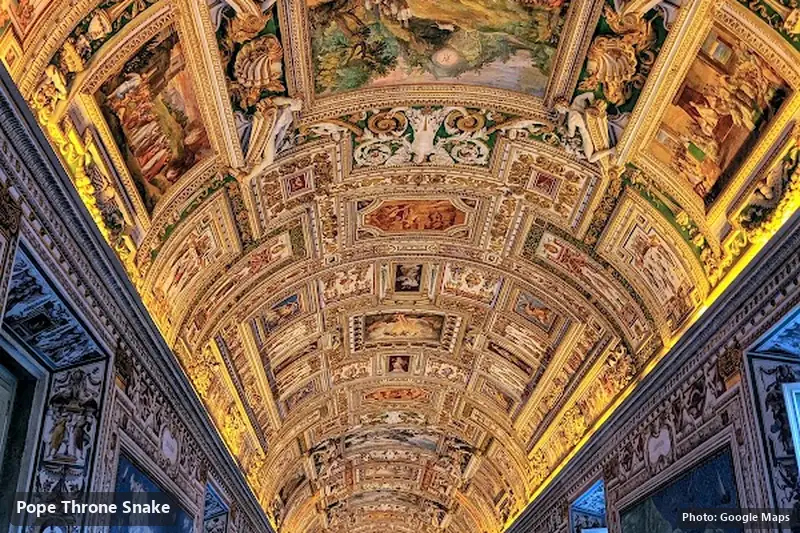
The rooms that show papal authority include the Sistine Chapel, where papal power and art meet and which ticket holders can enter. The Vatican Museums’ official page on the Sistine Chapel says the chapel is named after Pope Sixtus IV della Rovere, who ruled from 1471 to 1484 and restored the old Cappella Magna between 1477 and 1480. The wall frescoes were begun in 1481 and finished in 1482, and Sixtus IV consecrated the chapel on 15 August 1483.
The decoration includes portraits of the popes on the north, south and entrance walls. If you came looking for papal authority in one place, those portraits are the closest thing the chapel offers to a line of succession. The same official page says Julius II della Rovere later asked Michelangelo Buonarroti to paint the ceiling in 1508. The work was finished in October 1512, and Julius II inaugurated the chapel with a solemn Mass on 1 November.
What to Look For in the Sistine Chapel
What to look for in the Sistine Chapel comes down to this short list for a visit built around papal themes:
- The popes’ portraits on the walls, which show the succession.
- The ceiling by Michelangelo, with nine central panels from Genesis.
- The pontifical coat of arms over the entrance door, which the official page lists among the 1482 marble works.
- The marble screen and choir stalls, where the choristers took their places.
I’d spend less time on the crowds and more time looking up. The quiet rule inside the chapel is part of the experience.
 Most booked this week: Rome: Vatican Museums, Sistine Chapel and Basilica Access, from $68See prices →
What Can You See in St. Peter’s Basilica?
St. Peter’s Basilica offers most visitors the closest thing to a throne Vatican experience, and entry is free. The booking details for the tours listed on this page state that a ticket to the basilica is free of charge, but that access is not guaranteed and can vary because of crowd control. The basilica’s official site is the place to confirm the current rules.
One traveler on the Maps listing for the basilica described the arrival well: they got there at 6:45 am, found a line already forming, but moved in quickly. The same reviewer said that a free visit can cover most of the basilica in about 40 minutes.
“Do not miss this place for a FREE location! This is the most beautiful church I've ever been to. Once your through security and the main doors, you are truly hit by the size and artwork. We got there 645am and already there's a line but got in very quickly. If your just there for free visit, you can see most of it in 40mins. Pay extra for the other locations.”
Tour listings that include the basilica mention Michelangelo’s Pietà and Bernini’s Baldachin among the highlights. Some also offer dome access with an elevator to the terrace. I would book the dome separately from the free church visit, because the listings say the dome is not part of the basic museum ticket.
Best value pick: Vatican: Museums & Sistine Chapel Entrance Ticket, from $36View dates →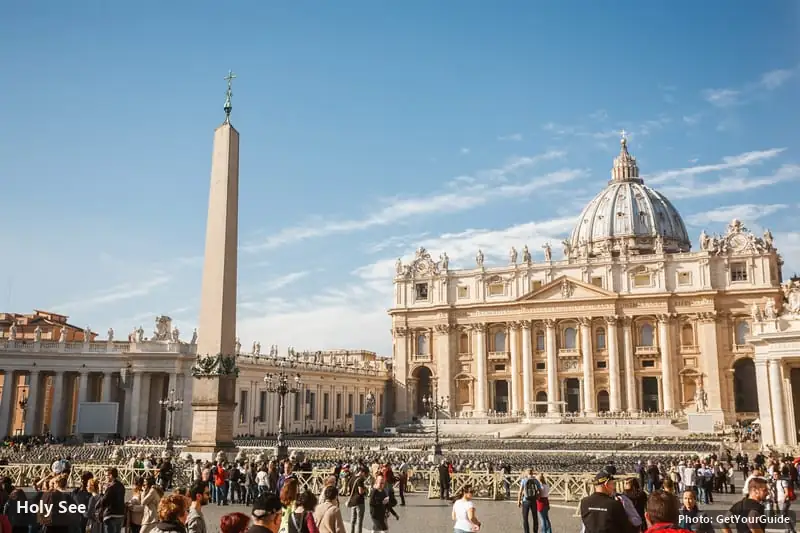
How Do Opening Hours Work for a Throne Vatican Visit?
Throne Vatican opening hours list the Vatican Museums and the Sistine Chapel as open Monday to Saturday from 8 am to 8 pm and closed on Sunday, while St. Peter’s Basilica is listed as open daily from 7 am to 7:10 pm. These hours come from the Maps data for each place, and they can change. Confirm them on the Vatican Museums site and the basilica site before you travel.
| Site | Listed hours | Sunday |
|---|---|---|
| Vatican Museums | 8 am to 8 pm | Closed |
| Sistine Chapel | 8 am to 8 pm | Closed |
| St. Peter’s Basilica | 7 am to 7:10 pm | Open |
Vatican Museums
Art museum · ★ 4.6 · 213,480 Google reviews
00120 Città del Vaticano, Vatican City
Opening hours
- Friday8 am–8 pm
- Monday8 am–8 pm
- Saturday8 am–8 pm
- SundayClosed
- Thursday8 am–8 pm
- Tuesday8 am–8 pm
- Wednesday8 am–8 pm
Sistine Chapel
Catholic church · ★ 4.7 · 98,723 Google reviews
00120 Città del Vaticano, Vatican City
Opening hours
- Friday8 am–8 pm
- Monday8 am–8 pm
- Saturday8 am–8 pm
- SundayClosed
- Thursday8 am–8 pm
- Tuesday8 am–8 pm
- Wednesday8 am–8 pm
Saint Peter’s Basilica
Basilica · ★ 4.8 · 185,703 Google reviews
Piazza San Pietro, 00120 Città del Vaticano, Vatican City
Opening hours
- Friday7 am–7:10 pm
- Monday7 am–7:10 pm
- Saturday7 am–7:10 pm
- Sunday7 am–7:10 pm
- Thursday7 am–7:10 pm
- Tuesday7 am–7:10 pm
- Wednesday7 am–7:10 pm
My advice is to plan around the Sunday closure. If your only free day is Sunday, you can still visit the basilica and the square, but you will not see the Sistine Chapel. Also remember that the Vatican keeps its own calendar of closures for religious holidays, so check the official sites for exceptions.
Going with family? Rome: Vatican Museums & Sistine Chapel Skip-The-Line Ticket, from $32Compare tickets →Do You Need a Ticket to Reach the Sistine Chapel?
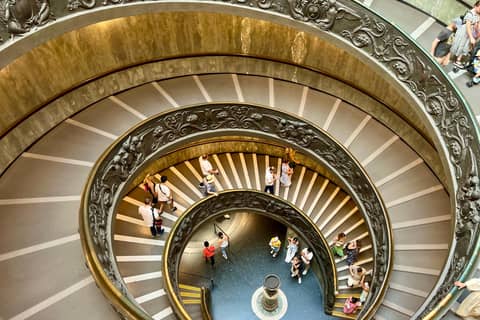
A Sistine Chapel ticket is a Vatican Museums ticket, because the chapel is the last stop on the museum route. The tour listings on this page describe skip-the-line tickets that let you enter at a set time and explore at your own pace. They do not include a guide unless the title says so.
After the first value section, this is where I would book. A timed ticket removes the guesswork at the entrance, and I recommend choosing the slot first and building your day around it.
Vatican: Museums & Sistine Chapel Entrance Ticket
Powered by GetYourGuide · affiliate link
Rome: Vatican Museums & Sistine Chapel Skip-The-Line Ticket
Powered by GetYourGuide · affiliate link
The first option is a plain entry ticket at about $36, and the second is a cheaper skip-the-line ticket at about $32 with a host who walks you to the entrance. Both exclude a guide and the basilica dome. Prices shown here come from the booking data and can change, so check the live price when you book.
Want a closer look? Vatican Museums, Sistine Chapel & St. Peter's Basilica Tour, from $60See times →Is a Guided Tour Better Than a Self-Guided Visit?
A guided tour suits you if you want the story of the popes explained, while a self-guided ticket suits you if you prefer your own pace. The guided options in the booking data include a licensed guide and audio headsets, and some add skip-the-line access to St. Peter’s Basilica. That helps a lot for this topic, because the meaning of a papal seat is rarely written on a label.
Vatican Museums, Sistine Chapel & St. Peter's Basilica Tour
Powered by GetYourGuide · affiliate link
Rome: Vatican Museums, Sistine Chapel & Basilica Tour
Powered by GetYourGuide · affiliate link
The guided Vatican Museums, Sistine Chapel and basilica tour is priced at about $60, and the Crown Tours option is about $71. The cheaper one runs 2 to 3 hours. The reviews for the Crown Tours option praise guides who bring the museums to life. One traveler wrote that their guide was amazing and they would recommend the tour.
“Our guide Musei Vaticani was amazing would definitely recommend”
If you travel with a wheelchair user, note the review of the guided museum tour from a US family. They could not join a guided tour because their child uses a wheelchair, so they used an audio guide and still saw most of the sights. I would ask the operator about access before booking any group tour.
Skip the ticket line: Rome: Vatican Museums, Sistine Chapel & Basilica Tour, from $71Check dates →
How Do You Get Into the Vatican Museums Smoothly?
Getting into the Vatican Museums starts at the entrance on Viale Vaticano, where you show your voucher to security and then scan it at the ticket desk. That is how the booking details for the standard GetYourGuide entry ticket describe it: you use the dedicated entrance and show a paper or mobile voucher to the guards, and you then scan at the box office marked for online tickets and groups.
Two practical rules from the listings are worth repeating:
- Do not arrive outside your slot. The listing says latecomers may not get skip-the-line entry.
- Arrive early for off-site check-in. One option asks you to arrive 15 minutes before the start time at a separate office to redeem the ticket.
One reviewer of the Vatican Museums described getting tickets on arrival as hard, and said they waited 30 to 40 minutes at about 5 pm and had to rush to see the galleries before closing. I read that as a reminder to book ahead and not to count on late-afternoon walk-up entry.
“Truly amazing. The photos you see online don’t do the place justice. Just standing in the halls admiring some of Ancient Greek/Ancient Rome/renaissance/baroque masterpieces is beyond words. Definitely worth going too. Getting tickets online is a nightmare, so we turned up at roughly 17:00 and waited for 30/40mims to get tickets. We managed to get round the gallaries before closure, but it was a bit of rush.”
What Should You Wear and Bring?
What to wear and bring is not covered in my source material, so check the official sites for the dress code before you leave. As a general approach, expect bag checks and security at every entrance, and plan for a long walk indoors. The booking details also say that guide-led operators meet you at an office near the museums, so read your voucher carefully.
Short on time? Vatican Museums & Sistine Chapel Skip-the-Line Entry Ticket, from $53Book a slot →Why Is the Vatican City Throne Story Tied to Rome?
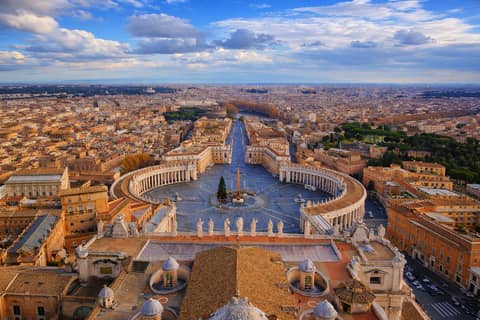
The Vatican City throne story ties to Rome because the Vatican sits inside the city, so a visit combines the state and the city. Wikipedia describes the state as an enclave within the city of Rome, and the pope is also the Bishop of Rome. That is why the formal cathedral of the diocese is a separate topic from the basilica you visit inside the Vatican walls.
For lunch, the Maps data lists Ristorante Pizzeria Castello on Via delle Fornaci, rated 4.7 from more than 18,000 reviews and open from 11 am to 11 pm daily. It is a practical stop after the basilica.
Ristorante Pizzeria Castello
Pizza restaurant · ★ 4.7 · 18,643 Google reviews
Via delle Fornaci, 27, 00165 Roma RM, Italy
Opening hours
- Friday11 am–11 pm
- Monday11 am–11 pm
- Saturday11 am–11 pm
- Sunday11 am–11 pm
- Thursday11 am–11 pm
- Tuesday11 am–11 pm
- Wednesday11 am–11 pm
Prefer a guide? Rome: Vatican Museums, Sistine Chapel and Basilica Access, from $68See tours →How Should You Plan the Day Around the Throne Vatican Sights?
Planning your day around the throne Vatican sights works best with one anchor ticket and two free or flexible stops. Here is the order I would use for most visitors:
- Morning: the Vatican Museums with a timed ticket, ending in the Sistine Chapel.
- Midday: a pause for lunch outside the walls.
- Afternoon: St. Peter’s Basilica, subject to crowd control.
- Optional: the dome, booked separately.
If you only want a taste of the throne Vatican theme, take a shorter route: the Sistine Chapel for the papal portraits and the basilica for the church itself. Add a guide if you want the papal succession explained, and read my pages on the pope’s seat and papal throne questions for the follow-up.
Planning ahead? Vatican: Museums & Sistine Chapel Entrance Ticket, from $36Check availability →Your Throne Vatican Wrap-Up
The throne Vatican question boils down to this: the pope’s seat is a symbol more than a stop, and you see that symbol in the Sistine Chapel, the basilica and the history of a state ruled by the pope. Book a timed Vatican Museums ticket, confirm hours on the official sites, and keep Sunday in mind because the museums are closed. When you are ready to compare ticket types, see every ticket type side by side and choose the one that fits your day.
For more on the state itself, return to the Vatican City guide or browse the About Vatican City topic. I wrote this page as an independent guide, not as the official ticket office, so always confirm prices and rules with the Vatican’s own sites.
Most booked this week: Rome: Vatican Museums & Sistine Chapel Skip-The-Line Ticket, from $32See prices →Top-rated Vatican tickets and tours
Vatican: Museums & Sistine Chapel Entrance Ticket
Powered by GetYourGuide · affiliate link
Rome: Vatican Museums & Sistine Chapel Skip-The-Line Ticket
Powered by GetYourGuide · affiliate link
Vatican Museums, Sistine Chapel & St. Peter's Basilica Tour
Powered by GetYourGuide · affiliate link
Frequently asked questions
What is the throne of the Pope called?
The formal seat of a bishop is called a cathedra, and that word is why a bishop's main church is called a cathedral. For the pope, the cathedra is the seat that goes with his role as Bishop of Rome. Vatican City is the pope's sovereign state, and Wikipedia notes that the pope is the head of the Holy See.
Who rules Vatican City?
Vatican City is an absolute monarchy under the pope, who is elected by the College of Cardinals through conclaves. Wikidata lists Leo XIV as head of state. The pope delegates authority to the Pontifical Commission for Vatican City State.
Is the Vatican open on Sundays?
The Vatican Museums and the Sistine Chapel are listed as closed on Sundays, while St. Peter's Basilica is listed as open every day. Hours change, so check the official sites before you go.
Do I need a ticket to see St. Peter's Basilica?
Entry to the basilica is free of charge, according to the booking details of the tours listed here, but access is not guaranteed because crowd control can change it. The dome and the museums are separate and need their own tickets.
What is the best way to see the Sistine Chapel?
The Sistine Chapel sits inside the Vatican Museums route, so a Vatican Museums ticket is the way in. A timed skip-the-line ticket or a guided tour saves the most waiting time.
Keep planning your visit
More About Vatican City guides
Online Vatican Tickets is an independent visitor guide. Prices and hours change: check the official Vatican Museums website before you go. Tour links are GetYourGuide affiliate links.