In this guide ▾
El Vaticano Roma is how many Spanish-speaking travelers search for Vatican City, the tiny independent state that sits inside the Italian capital. If you are trying to understand how one country can exist inside a city, this guide gives you the short answer first and the useful detail after it. I will cover why the Vatican is in Rome, the numbers that define it, what you can actually see and how to organize your day.
My advice is simple: treat the Vatican as a separate stop on your Rome trip, not as one more sight on a walking route. It has its own security checks, its own rules and its own ticket systems. A little planning saves you a lot of standing in line.
What Is El Vaticano Roma?
El Vaticano Roma refers to Vatican City, formally the Vatican City State, a landlocked sovereign city-state in Southern Europe. It is an enclave within the city of Rome and serves as the administrative center of the Catholic Church. The pope rules it, and the Holy See governs it.
Think of it as three things at once. It is a country, with a head of state and its own stamps and coins. It is the spiritual home of the Catholic Church. And it is a huge open-air and indoor museum, because it holds St. Peter’s Basilica, the Sistine Chapel, the Apostolic Palace, the Vatican Library and the Vatican Museums, according to Wikipedia.
The whole state is a World Heritage Site. That matters for visitors because the protected area is compact, and everything worth seeing sits close together.
For a broader overview of the country and its institutions, I keep a separate guide on the Vatican as a whole, and the topic hub on about Vatican City collects every background question in one place.
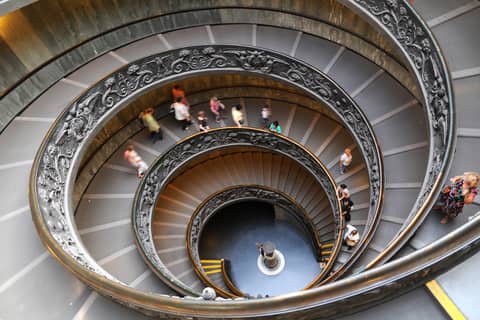 Want a closer look? Vatican: Museums & Sistine Chapel Entrance Ticket, from $36See times →
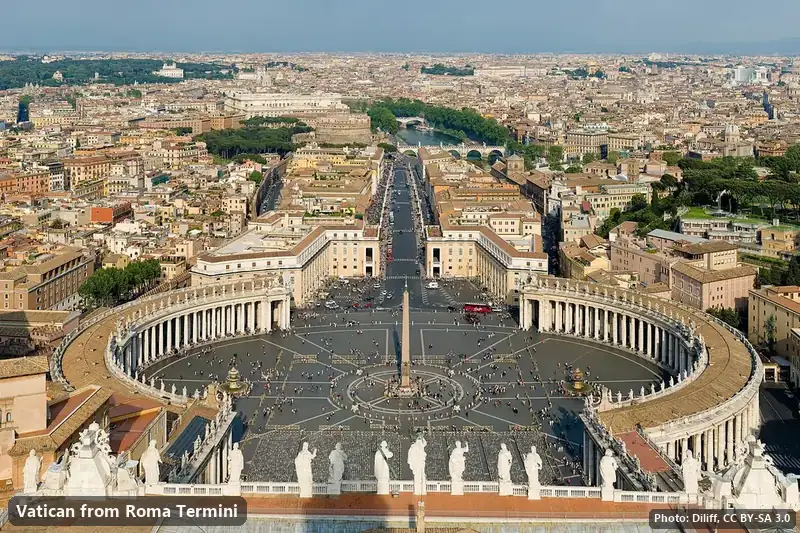
Why Is Vatican City Inside Rome?
Vatican City sits inside Rome because the pope’s home has stood on the Tiber’s west bank for centuries, and a treaty in 1929 carved the modern state out of the city. The name “Vatican” is older than Christianity: it comes from an Etruscan settlement called Vatica or Vaticum, and the Romans called the area the Ager Vaticanus, according to Wikipedia.
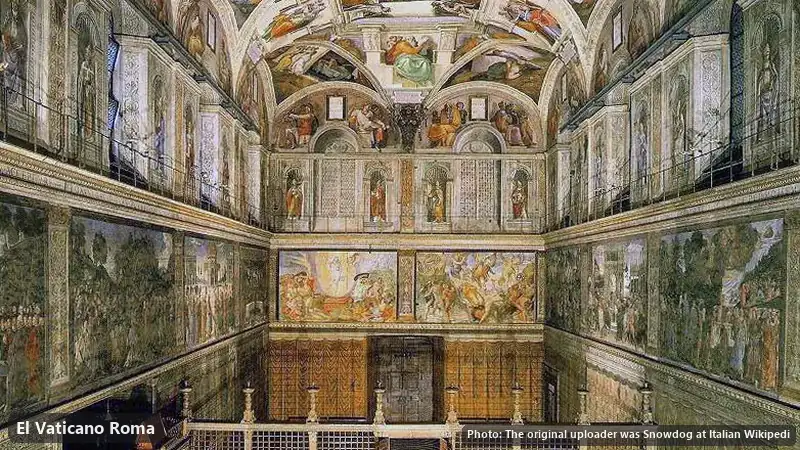 Book aheadVatican Museums, Sistine Chapel & St. Peter's Basilica TourCheck availability · from $60
The story has a few turning points that explain the map you see today:
- 1st century AD: Catholic theology holds that Saint Peter, the first pope, was crucified on Vatican Hill.
- 756: The Holy See first exercised temporal power over the Papal States, formed with the donation of Frankish territory.
- 1377: The pope returned to Rome at the end of the Avignon Papacy.
- 1870: The Kingdom of Italy captured Rome, and the pope declared himself a “prisoner in the Vatican.”
- 1929: The Lateran Treaty settled the Roman question and created the modern sovereign state.
All of these dates come from the same Wikipedia article on Vatican City. The treaty was signed on 11 February 1929, and that date is also the state’s inception date in Wikidata.
The practical meaning for you is that there is no dramatic border crossing. You walk from Roman streets into St. Peter’s Square, and the change of country is almost invisible. The security checks at the basilica and the museums are the real “border” you will feel.
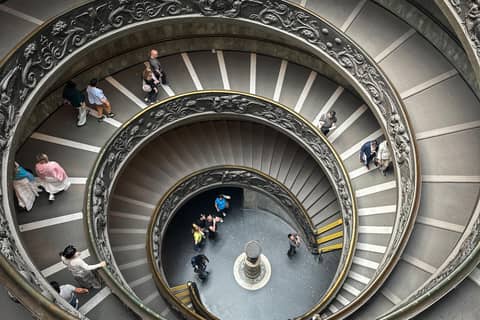 Skip the ticket line: Vatican Museums & Sistine Chapel Skip-the-Line Entry Ticket, from $53Check dates →
El Vaticano Roma by the Numbers
El Vaticano Roma by the numbers comes down to a few figures, because the state is small enough for them to describe it fully. These statistics come from Wikidata’s entry for Vatican City, and each one tells you something useful for planning.
- Area: 0.44 km². You can cross the whole state on foot in minutes. Your time goes into queues and galleries, not walking between sights.
- Population: 949 people (2024). Far fewer residents than visitors on any busy day.
- Inception: 11 February 1929. The Lateran Treaty date, which is why the state is young compared with the buildings in it.
- Heritage status: World Heritage Site. Expect strict rules on photography, dress and behavior inside the sites.
- Currency: euro. You pay in the same money as the rest of Rome, so no exchange is needed.
- Official languages: Italian and Latin. Signs and official pages lead with Italian, so a translation app helps.
- Head of state: Leo XIV. The pope is both spiritual leader and ruler.
One note on accuracy: other sources round the area to 0.49 square kilometres and give a different population count, because these figures are measured and updated differently. I use the Wikidata figures above for consistency, and the exact number does not change how you plan a visit.
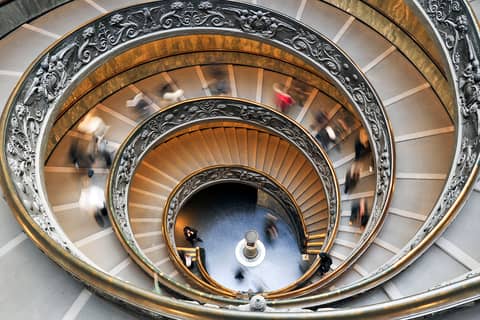 Short on time? Omnia Vatican and Rome Pass: Top Attractions and Travelcard, from $166Book a slot →
Who Lives in Vatican City, and Who Guards It?
Vatican City’s residents are few, with a population listed at 949 in 2024. It is an absolute monarchy under the pope, who is elected by the College of Cardinals in a conclave, as Wikipedia explains. The pope delegates authority to the Pontifical Commission for Vatican City State.
The people in colorful uniforms at the gates are the Pontifical Swiss Guard. According to the official Vatican profile, Pope Julius II founded the Guard in 1506. It is a military body made up of Swiss citizens, and its main task is to watch over the safety of the pope and his residence.
The same page lists other duties that matter to a visitor: guarding the accesses to the Vatican City State, accompanying the pope on apostolic journeys and performing services of order and honor. When you pass a guard at an entrance, you are looking at a job description that is more than 500 years old.
A good tip from me: photographs with the guards are fine when they are on ceremonial duty at an entrance, but they are working. Keep a respectful distance, never touch them and never block a gate.
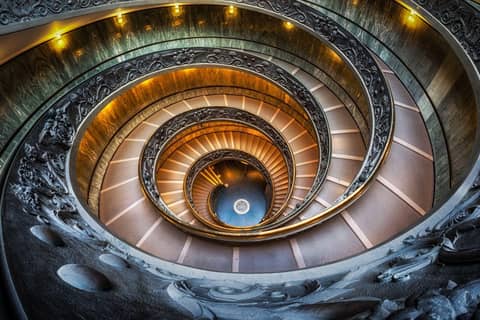 Prefer a guide? Vatican Museums, Sistine Chapel & St. Peter's Basilica Tour, from $60See tours →
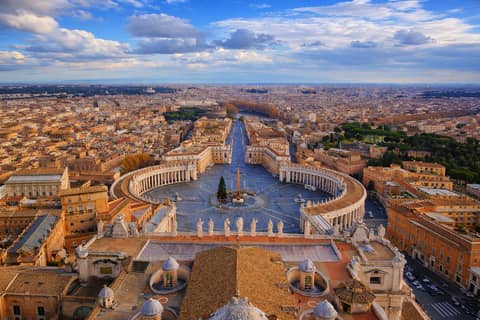
What Can You See Inside Vatican City?
What you can see inside Vatican City comes down to St. Peter’s Square, St. Peter’s Basilica, the Vatican Museums and the Sistine Chapel, with the museums demanding the most planning. The state also contains the Apostolic Palace and the Vatican Library, but those are not part of a standard visit.
Here is how I split the day into three parts.
St. Peter’s Basilica and Square
St. Peter’s Basilica and Square make up the part of the Vatican that most people recognize at a glance. Booked visits often add the basilica as an option, and one tour on the market lists a stop to see Michelangelo’s Pietà. One listing notes that basilica access is free of charge but not guaranteed, because it can change with crowd control. Treat the basilica as something to check on the day, not something you can assume.
If the basilica is your main goal, my longer guides on St. Peter’s Basilica in Rome and the Spanish-language search for the basilica go into entry, security and timing.
The Vatican Museums and Sistine Chapel
The Vatican Museums and Sistine Chapel are where most tickets are sold and most queues form. A skip-the-line listing for the museums highlights more than 20,000 works by artists such as Michelangelo and Raphael, plus Michelangelo’s The Creation of Adam in the Sistine Chapel. Many visitors go for the Sistine Chapel ceiling and The Last Judgment, and the route through the galleries ends there.
I recommend an early timed slot, because crowds build through the day and the Sistine Chapel is the last big room of the route. The official Vatican Museums site is the place to confirm hours and closures.
Beyond the Walls: Castel Gandolfo
Castel Gandolfo and its Papal Palace lie outside the city, so they suit travelers with extra days. The Vatican Museums announced that its ticket includes access to current exhibitions, the Garden of the Moor and the Secret Garden, with a guided or self-guided option, according to the official Vatican Museums page. That page describes a 2026 exhibition of El Greco paintings there. This is a separate trip, not part of a normal El Vaticano Roma day.
 Planning ahead? Rome: Vatican Museums, Sistine Chapel & Basilica Tour, from $71Check availability →
How Do You Get to El Vaticano Roma?
Getting to El Vaticano Roma is easiest by metro Line A to Ottaviano, followed by a walk. One tour operator’s meeting instructions say the Ottaviano stop is about a 10-minute walk from its office near the museums, so plan the same walk to the museum entrance.
A few details from the tour listings help you avoid common mix-ups:
- The standard museum entry point on one ticket is the Vatican Museum entrance on Viale Vaticano, where you show your voucher to security and then scan it at the online-and-groups box office.
- Do not arrive outside your assigned time slot. That instruction is printed on the entry ticket listing, and it is the most common reason people lose time.
- Some guided tours meet at a partner office, not at the gate. One listing explicitly says St. Peter’s Square is not the meeting point.
Because the museums and the basilica have different entrances, I always tell friends to decide which one they want first. They are not a single walk-through.
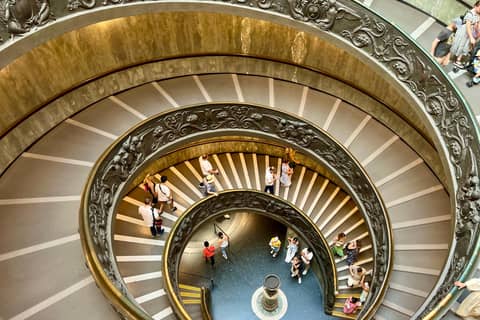 Most booked this week: Rome: Vatican Museums, Sistine Chapel and Basilica Access, from $68See prices →
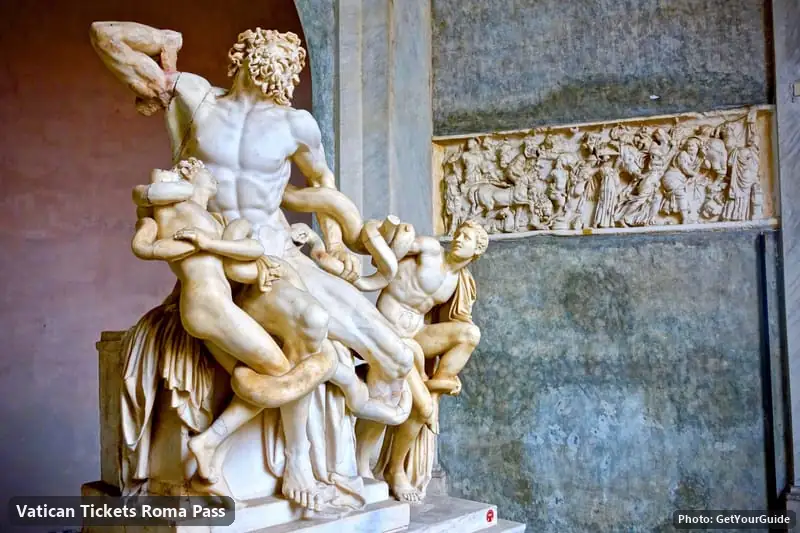
Vatican City Rome Tickets and Passes Explained
Vatican City Rome tickets fall into three practical types: an entry-only ticket, a guided tour, and a multi-attraction pass. Which one fits depends on whether you want freedom, explanation or savings across several sights.
The table below uses the prices and details shown on current GetYourGuide listings, which can change, so check the final price before you book.
| Option | Best for | What it covers | Price shown |
|---|---|---|---|
| Museums & Sistine Chapel entrance ticket | Going at your own pace | Skip-the-ticket-line entry, optional audio guide, no guide | $36.21 |
| Skip-the-line entry with host | A first-timer who wants help at check-in | Museums and Sistine Chapel, host assists at arrival, no tour guide | $53.48 |
| Museums, Sistine Chapel & Basilica tour | Context and stories | Guided walk, skip-the-line access, basilica if selected | $60.17 |
| Museums, Sistine Chapel & Basilica with dome option | A full day with views | Licensed guide, headsets, optional dome access with elevator | $71.31 |
| Omnia Vatican and Rome Pass | Several Rome sights over 3 days | Omnia Card, Roma Pass, public transport, hop-on hop-off bus | $166.02 |
If you would rather compare every option side by side, see every ticket type side by side on the main page. Here are the entry tickets I would look at first, since they are the simplest way to secure a time slot:
Vatican: Museums & Sistine Chapel Entrance Ticket
Powered by GetYourGuide · affiliate link
Vatican Museums & Sistine Chapel Skip-the-Line Entry Ticket
Powered by GetYourGuide · affiliate link
Notice what the cheapest option leaves out. The entry ticket excludes a guided tour, a ticket to the basilica and access to the basilica dome, so you must plan those separately. That is not a flaw, but you should know it before you buy.
Which Ticket Do I Recommend?
The ticket I recommend depends on how you like to travel. If you enjoy reading placards and wandering, take the entry ticket with the audio guide option. If you want the art explained, choose a guided tour. If you will also visit other Roman sights, think about a pass.
Travelers on one guided listing praise knowledgeable guides and skipping lines. Another summary notes that travelers want clearer details on whether the basilica visit is guided. As one traveler wrote about the entry ticket:
“value for money. I am glad that I choose this option. really helpful. thank you”
When you are ready to pick a date, you can book Vatican tickets online from the main guide, which compares the same options.
Best value pick: Vatican: Museums & Sistine Chapel Entrance Ticket, from $36View dates →Do Roma Pass and City Passes Work for the Vatican?
Roma Pass and city passes can include the Vatican, but read exactly what each one covers. The Omnia Vatican and Rome Pass combines the Omnia Card and the Roma Pass, and its listing says it includes skip-the-line access at the Vatican Museums, the Colosseum, public transport and a hop-on hop-off bus ticket. It is a 3-day product.
The listing also says you exchange your voucher at an O.R.P. collection desk, for example near St. Peter’s Basilica at Piazza Pio XII. The desk is open Monday to Saturday from 9 AM to 4 PM and closed on Sundays and holidays, so do not plan your pickup for a Sunday. Travelers like the priority entry, but some find the office pickup unclear.
If you are comparing passes, my detailed pages on Vatican tickets with the Roma Pass and whether a Vatican museum ticket works with the Roma Pass explain what to check before you buy. The pass is worth it mainly when you will use several of its included sights, not only the Vatican.
Omnia Vatican and Rome Pass: Top Attractions and Travelcard
Powered by GetYourGuide · affiliate link
Vatican Museums, Sistine Chapel & St. Peter's Basilica Tour
Powered by GetYourGuide · affiliate link
Rome: Vatican Museums, Sistine Chapel & Basilica Tour
Powered by GetYourGuide · affiliate link
Going with family? Vatican Museums & Sistine Chapel Skip-the-Line Entry Ticket, from $53Compare tickets →Is a Guided Tour Worth It for El Vaticano Roma?
A guided tour is worth it if you want the history and the artists explained, since the collections are huge and a guide gives you a route. The guided listings in this guide run from about 2 to 4 hours and include skip-the-line entry to the museums and the Sistine Chapel.
Compare what the tours actually offer:
- One guided listing includes a licensed guide and audio headsets, with an upgrade for the basilica and a self-guided dome visit by elevator.
- Another offers skip-the-line access to the museums, the Sistine Chapel and the basilica if you select that option.
- A third lists a walking tour with fast-track access to some of the Vatican’s top attractions.
One thing I want you to check is accessibility. A traveler wrote that they could not take a guided tour because their child used a wheelchair, so they did the visit alone with an audio guide:
“We were unable to do this with a guide due to my child being in a wheelchair. We did the tour on our own with an audio guide. The Vatican was beautiful and we did get to see most of the sights”
That is a reminder to read each listing’s details and contact the provider if you have mobility needs. And if your plan is to browse several options, where to buy Vatican tickets? covers the main places to look and what each one sells.
Want a closer look? Omnia Vatican and Rome Pass: Top Attractions and Travelcard, from $166See times →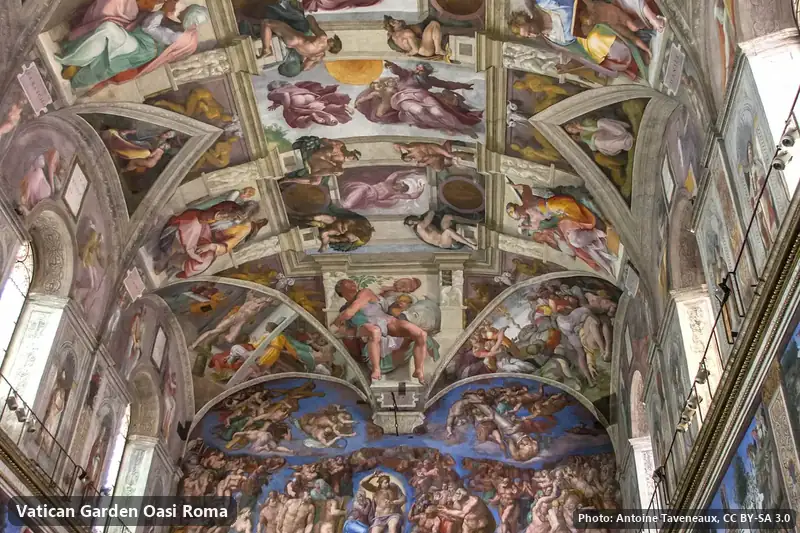
Where Should You Eat and Stay Near the Vatican?
Eating and staying near the Vatican is easy, with everyday restaurants and small guesthouses along the museum walls and Via Sebastiano Veniero as a handy place to look. Two places from the map data fit well for a Vatican day. Ristorante Pasta Roma & pizza is at Via Sebastiano Veniero 18, rated 4.7, and Pinsa ’mpò, a pinsa takeaway, is at Via dei Gracchi 7, also rated 4.7. Both are closed on Sundays according to the listings.
For lodging, Vaticano Roma Guesthouse is a bed and breakfast on Via Crescenzio, rated 4.7 on its map listing. A traveler called it basic with a good location and a quiet street. Here are the map pins for a museum stop and a nearby meal:
Vatican Museums
Art museum · ★ 4.6 · 213,480 Google reviews
00120 Città del Vaticano, Vatican City
Opening hours
- Friday8 am–8 pm
- Monday8 am–8 pm
- Saturday8 am–8 pm
- SundayClosed
- Thursday8 am–8 pm
- Tuesday8 am–8 pm
- Wednesday8 am–8 pm
Ristorante Pasta Roma & pizza
Roman restaurant · ★ 4.7 · 440 Google reviews
Via Sebastiano Veniero, 18, 00192 Roma RM, Italy
Opening hours
- Friday10 am–10 pm
- Monday10 am–10 pm
- Saturday10 am–10 pm
- SundayClosed
- Thursday10 am–10 pm
- Tuesday10 am–10 pm
- Wednesday10 am–10 pm
If you want to see how this neighborhood fits the rest of your trip, the Roman side of the Vatican is a good next read.
Skip the ticket line: Vatican Museums, Sistine Chapel & St. Peter's Basilica Tour, from $60Check dates →Practical Tips Before You Go
Practical tips before you go are really a few habits that make the visit easier. These are my own recommendations, built from the rules and listing details above.
- Book a timed slot. The ticket listings stress arriving within your assigned time slot, so choose a time you can actually make.
- Read the meeting point twice. Entry tickets go to the museum entrance, while many guided tours begin at a partner office.
- Expect security. Tour listings mention security checks at the museum entrance and the basilica. Allow time and carry only what you need.
- Confirm hours officially. Prices and hours change. The official Vatican Museums website is the source for opening days and closures.
- Do not assume the basilica. One listing says basilica access is free but not guaranteed because of crowd control, so keep the plan flexible.
Another useful thing to know is that the Swiss Guard exists to protect the pope and guard the accesses, so the gates are controlled for a reason. Cooperation makes the line move faster for everyone.
Short on time? Rome: Vatican Museums, Sistine Chapel & Basilica Tour, from $71Book a slot →Planning Your El Vaticano Roma Visit
Planning your El Vaticano Roma visit gets easier once you see the layers: a sovereign state inside Rome, run by the pope, protected since 1506 by the Swiss Guard and packed with some of the world’s best-known art. Because it is only 0.44 square kilometres, the challenge is not distance. It is timing, tickets and the right entrance.
My final recommendation is to choose the experience first and the ticket second. For independent visitors, a timed entry ticket with an audio guide is enough. For first-timers who want the story, a guided tour is easier. If you are also visiting other Roman sights, a pass may add value.
When you are ready, start with the ticket options here, reserve your slot and keep your voucher and meeting point handy. Then spend the extra time you saved on the part that makes the trip worth it: looking up in the Sistine Chapel.
Prefer a guide? Rome: Vatican Museums, Sistine Chapel and Basilica Access, from $68See tours →Top-rated Vatican tickets and tours
Vatican: Museums & Sistine Chapel Entrance Ticket
Powered by GetYourGuide · affiliate link
Vatican Museums & Sistine Chapel Skip-the-Line Entry Ticket
Powered by GetYourGuide · affiliate link
Omnia Vatican and Rome Pass: Top Attractions and Travelcard
Powered by GetYourGuide · affiliate link
Frequently asked questions
Where is the Pope?
Vatican City is ruled by the pope, and its head of state is currently listed as Leo XIV on [Wikidata](https://www.wikidata.org/wiki/Q237). The pope's schedule changes, so check the official Vatican calendar for audiences and ceremonies rather than assuming he is in the city on a given day.
Is Vatican City a separate country from Italy?
Yes. Vatican City is a sovereign city-state and an enclave within Rome, created by the Lateran Treaty of 1929, according to [Wikipedia](https://en.wikipedia.org/wiki/Vatican_City). It has its own head of state and issues its own euro coins.
What currency and time zone does Vatican City use?
Vatican City uses the euro and follows Central European Time (UTC+01:00), per [Wikidata](https://www.wikidata.org/wiki/Q237). Its official languages are Italian and Latin.
Are the Vatican Museums open on Sundays?
Map listings show the Vatican Museums closed on Sundays and open on other days. Opening days and hours change, so confirm them on the [official Vatican Museums website](https://www.museivaticani.va/content/museivaticani/it.html) before you go.
Where do Vatican tours meet?
It depends on the tour. Some use the Vatican Museums entrance on Viale Vaticano, while others start at a partner office near the Museums, so read the meeting point on your voucher before you leave your hotel.
Keep planning your visit
More About Vatican City guides
Online Vatican Tickets is an independent visitor guide. Prices and hours change: check the official Vatican Museums website before you go. Tour links are GetYourGuide affiliate links.