In this guide ▾
Vatican cit is how many people type the name of the world’s smallest country, and what they usually mean is Vatican City. It is a walled state inside Rome with its own government, post office, euro coins and a skyline dominated by St. Peter’s dome. If you are planning a trip, a quick history check or a school project, this page gives you the facts you need and the practical steps for a smooth visit.
I’ll cover what the place is, how big it is, who lives there, what you can see and how to get in without losing half a day in a queue. Where a number matters, I link the source so you can check it yourself.
What Is Vatican Cit and Why Do People Search for It?
Vatican cit is just a clipped or mistyped version of Vatican City, whose official name is the Vatican City State. According to Wikipedia, it is a landlocked sovereign city-state in Southern Europe, ruled by the pope and surrounded by Rome.
People type the short form for a few reasons. Some are in a hurry, some are on a phone and some are looking for the Italian name, Città del Vaticano. Whichever way you spell it, the place is the same, and the rest of this guide uses the full name.
The state serves as the administrative center of the Catholic Church. It is governed by the Holy See, which is itself a sovereign entity under international law, as the same Wikipedia article explains.
If your real goal is a ticket, skip ahead to the booking section. If you want to understand what you are visiting first, keep reading.
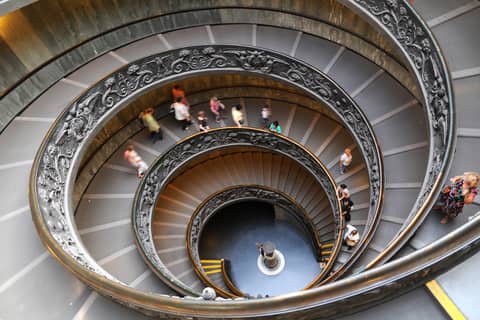 Want a closer look? Vatican: Museums & Sistine Chapel Entrance Ticket, from $36See times →
Is Vatican City a Country or Part of Rome?
Vatican City is a country in its own right, not a district of Rome. It is an independent state that happens to sit inside the Italian capital, which makes it an enclave. Wikipedia states that the pope is its absolute monarch.
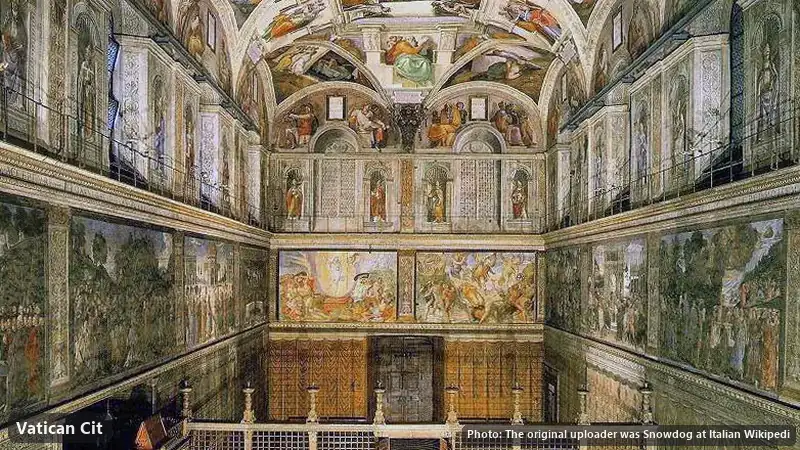 Book aheadVatican: Museums & Sistine Chapel Entrance TicketCheck availability · from $36
The modern state dates to the Lateran Treaty, signed on 11 February 1929 between the Holy See and Italy. Wikidata records the same date as its inception. That treaty settled what was called the Roman question after Italian unification ended in 1870 and the pope declared himself a “prisoner in the Vatican.”
In daily life the border is easy to miss. St. Peter’s Square is open to everyone, and you walk in with no passport check. The Vatican Museums are a separate entrance on Viale Vaticano, and you pass a security check there instead.
Here is how the place differs from Rome in practice:
- It has its own head of state, Leo XIV according to Wikidata, and its own head of government.
- It uses the euro and issues its own euro coins.
- Its internet domain is .va and its calling code is +379.
- Its official languages are Italian and Latin.
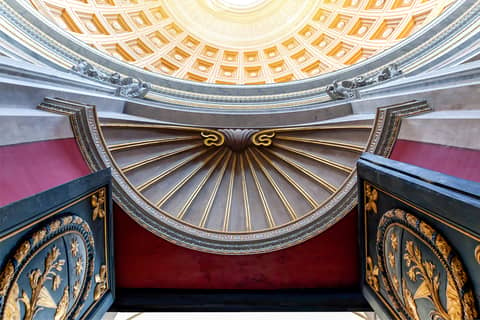 Skip the ticket line: Rome: Vatican Museums & Sistine Chapel Skip-The-Line Ticket, from $32Check dates →
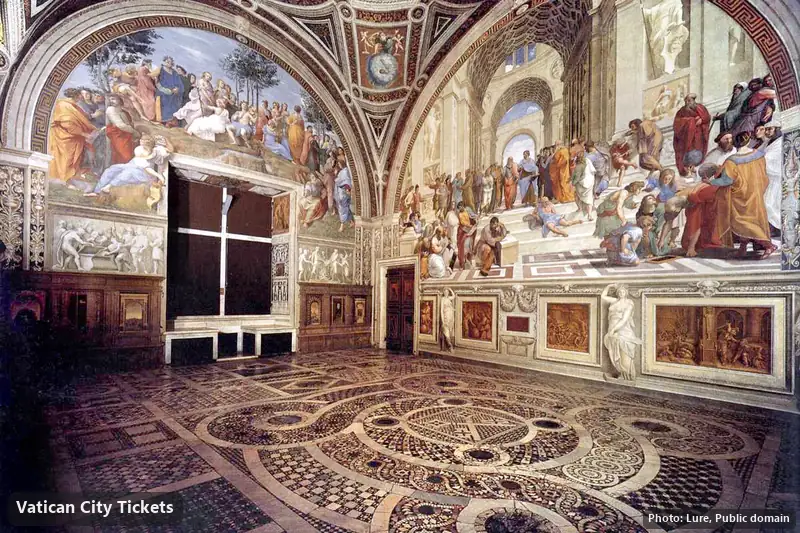
Vatican City by the Numbers
Vatican City by the numbers makes for a short list, since the state is so tiny. The figures below come from Wikidata, and I add what each one means for a visitor.
- Area: 0.44 km². You can cross the public parts on foot, but the Museums alone can take hours.
- Inception: 11 February 1929. This is the Lateran Treaty date, so the state is younger than most of the buildings in it.
- Population: 949 (2024). Very few people live here, which is why you will meet more tourists than residents.
- Heritage status: World Heritage Site. The whole state is protected, so expect strict rules about behavior and dress.
- Currency: euro. Bring a card or euros for coffee, souvenirs and stamps.
- Time zone: Central European Time (UTC+01:00). Use it when you read opening times.
- Official languages: Italian and Latin. Signs near the Museums are also in English.
One thing to know: other sources give slightly different area and population figures, because the numbers change with the method and the year. For a school paper, state the source and year next to each figure.
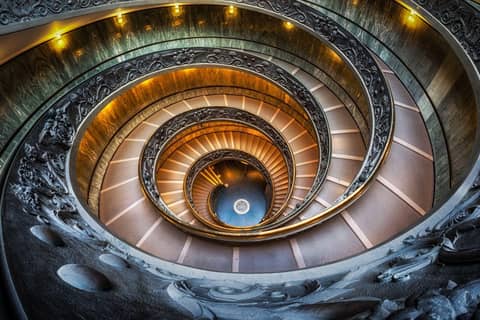 Short on time? Vatican Museums, Sistine Chapel & St. Peter's Basilica Tour, from $60Book a slot →
How Big Is Vatican City and How Long Does It Take to See?
Vatican City covers about 0.44 square kilometers, according to Wikidata, which makes it the smallest country by area. You can cross its public areas in minutes, but a proper visit to the Museums, the Sistine Chapel and the Basilica needs most of a day.
Think of it as three separate visits that happen to be next to each other. St. Peter’s Square and the Basilica are on one side, the Museums entrance is a walk away on Viale Vaticano, and the Sistine Chapel sits at the end of the Museums route.
If you are mapping the area, the Vatican City address page explains how the postal address and entrances fit together. The Basilica and the Museums are not at the same gate, and mixing them up is a common reason people arrive late.
My advice is to plan one big sight per half day. Doing the Museums in the morning and the Basilica after lunch works well, and you can leave the Square for the evening, when it is calmer.
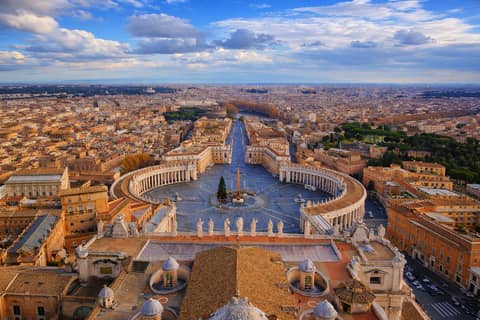 Prefer a guide? Rome: Vatican Museums, Sistine Chapel & Basilica Tour, from $71See tours →
What Can You See in Vatican City?
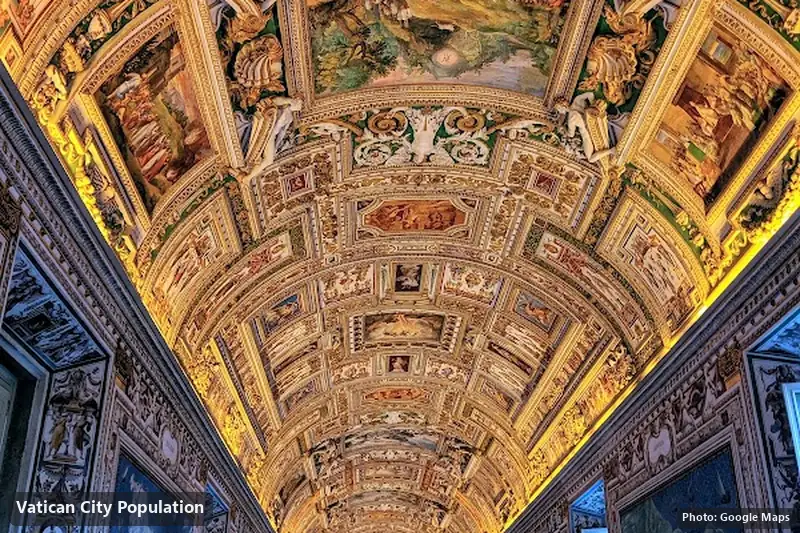
Sights in Vatican City center on the Vatican Museums, the Sistine Chapel, St. Peter’s Basilica and St. Peter’s Square. Wikipedia also lists the Apostolic Palace and the Vatican Library among the sites that make the state a World Heritage Site.
The Museums are the largest part of most visits. The official Vatican Museums site lists galleries such as the Pio Clementino Museum, the Gregorian Egyptian Museum, the Pinacoteca, Raphael’s Rooms and the Borgia Apartment. The Sistine Chapel is the last big stop on the route.
St. Peter’s Basilica is a different experience. One traveler wrote that you can see most of it in about 40 minutes if you only want the free visit, and that is a sensible estimate for a quick walk-through.
“Do not miss this place for a FREE location! This is the most beautiful church I've ever been to. Once your through security and the main doors, you are truly hit by the size and artwork. We got there 645am and already there's a line but got in very quickly. If your just there for free visit, you can see most of it in 40mins. Pay extra for the other locations.”
For the Basilica itself, read the Vatican City basilica guide. It covers what to look for inside, such as the Pietà and Bernini’s Baldachin, both named in the tour data.
You can see a lot of the surroundings for free. The Square and the exterior of the Basilica cost nothing, and I’d save paid entry for the Museums.
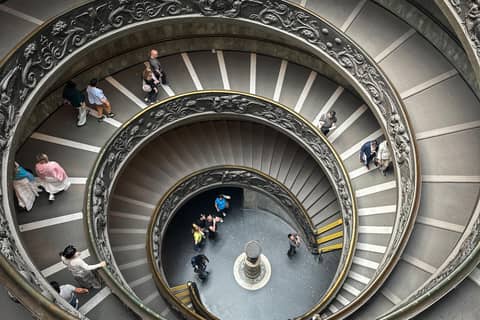 Planning ahead? Vatican Museums & Sistine Chapel Skip-the-Line Entry Ticket, from $53Check availability →
Vatican City Opening Hours: When Can You Go?
Vatican City opening hours for the Vatican Museums run Monday to Saturday from 8 am to 8 pm, with Sunday closed, according to the Google Maps listing. St. Peter’s Basilica is listed as open every day from 7 am to 7:10 pm.
Those are the listed hours, not a promise. Special closures and last-entry times change, and the official site has the page for opening hours and temporary closures. Check it a day before you go.
In short, the Museums and the Sistine Chapel share the same 8 am to 8 pm Monday-to-Saturday window and are closed on Sunday, while the Basilica runs daily from 7 am to 7:10 pm.
If Sunday is your only free day, you can still see the Basilica and the Square. For the Sistine Chapel, read Sistine Chapel hours so you can plan around the weekly closure.
One review of the Museums tells a useful story: the visitor arrived around 5 pm, waited 30 to 40 minutes for tickets and had to rush through the galleries before closing. I’d treat late arrival as a mistake to avoid.
“Truly amazing. The photos you see online don’t do the place justice. Just standing in the halls admiring some of Ancient Greek/Ancient Rome/renaissance/baroque masterpieces is beyond words. Definitely worth going too. Getting tickets online is a nightmare, so we turned up at roughly 17:00 and waited for 30/40mims to get tickets. We managed to get round the gallaries before closure, but it was a bit of rush.”
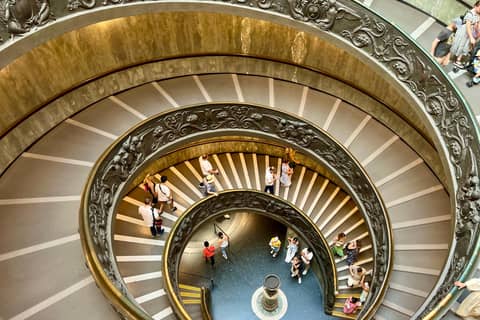 Most booked this week: Rome: Vatican Museums, Sistine Chapel and Basilica Access, from $68See prices →
How Do You Get Tickets for the Vatican Museums?
Vatican Museums tickets are timed, and you need one for the Museums and Sistine Chapel. You can buy yours from the official site or from a booking partner, and I’d book before you travel rather than hope for a short line at the door.
The official site lists reduced tickets too. For example, the student reduction is for students up to and including 25 years old with a document confirming enrollment for the current year. If you buy a reduced ticket without being entitled to it, you must buy a new full-price ticket and the reduced one is not refunded.
If you want to compare options, see where to buy Vatican tickets and which type fits your day on the Online Vatican Tickets homepage before you commit. I’d choose by how much help you want: a plain entry ticket for people who like to wander, a guided tour for people who want the history explained.
The tickets below are the ones I see most often for this visit.
Vatican: Museums & Sistine Chapel Entrance Ticket
Powered by GetYourGuide · affiliate link
Rome: Vatican Museums & Sistine Chapel Skip-The-Line Ticket
Powered by GetYourGuide · affiliate link
Vatican Museums, Sistine Chapel & St. Peter's Basilica Tour
Powered by GetYourGuide · affiliate link
The first two are self-guided entry options. The last is a guided tour with the Basilica option, so it costs more.
Best value pick: Vatican: Museums & Sistine Chapel Entrance Ticket, from $36View dates →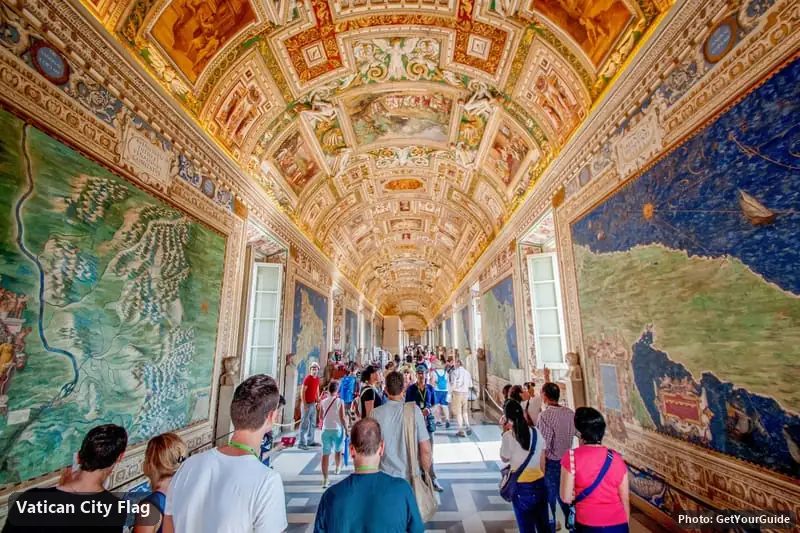
Vatican Cit Ticket Prices at a Glance
Vatican cit ticket prices in this guide run from about $32 to $36 for Museums and Sistine Chapel entry, and from about $60 to $71 for guided tours. All prices below come from the booking data and can change, so treat them as estimates rather than a quote.
| Ticket | Type | Price (USD) | Rating |
|---|---|---|---|
| Museums and Sistine Chapel entrance | Self-guided | $36.21 | 4.48 from 160,009 reviews |
| Skip-the-line ticket, Tours And Tours | Self-guided | $32.31 | 4.23 from 13,313 reviews |
| Museums, Sistine Chapel and Basilica tour | Guided | $60.17 | 4.27 from 86,949 reviews |
| Museums, Sistine Chapel and Basilica, Crown Tours | Guided | $71.31 | 4.65 from 19,481 reviews |
Euro prices on the official site convert at the ECB reference rate of 1 euro to $1.1165 on 2026-11-06. For example, EUR 25 would be about $28 at that rate. Use the official page to confirm the euro price first.
The cheaper tickets in the table exclude a guide. One of them explicitly leaves out the Basilica and the dome, so read the inclusions list before you pay.
If you are comparing the Chapel on its own, the Sistine Chapel tickets page explains how entry works for that sight.
Going with family? Rome: Vatican Museums & Sistine Chapel Skip-The-Line Ticket, from $32Compare tickets →Should You Take a Guided Tour or Go on Your Own?
Choosing a guided tour or going on your own is simple: pick your own route for a self-set pace, and a guided tour for the history explained. Both skip the ticket line in the data, but only the tours include a guide.
The self-guided ticket lets you explore at your preferred time, and the booking data says you can pick up an audio guide at a dedicated desk inside if you choose that option. Travelers praise timed entry and the audio guide, though some say clearer directions to the right queue would help.
Guided tours get praise for knowledgeable guides and for managing the crowds. Reviewers of one tour describe the guide as “amazing.” The same data warns that some travelers found the Basilica details unclear, so check whether a Basilica visit is included in the option you choose.
“Our guide Musei Vaticani was amazing would definitely recommend”
Accessibility matters too. One American traveler said a wheelchair meant they could not join a guided tour, so they used an audio guide and still saw most of the sights.
“We were unable to do this with a guide due to my child being in a wheelchair. We did the tour on our own with an audio guide. The Vatican was beautiful and we did get to see most of the sights”
My view: if it is your first trip and you have limited time, I’d book a guided tour. If you have already seen the highlights or you like moving slowly, a plain entry ticket is the better value.
Want a closer look? Vatican Museums, Sistine Chapel & St. Peter's Basilica Tour, from $60See times →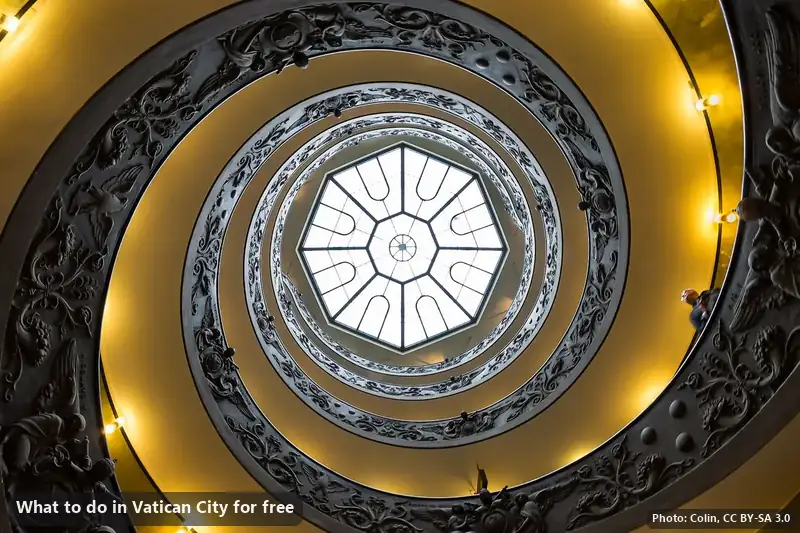
Where Do You Enter and Where Should You Eat?
The Vatican Museums entrance is on Viale Vaticano, and the ticket data tells you to show your voucher to the guards, pass security and then scan at the box office. The Basilica is on Piazza San Pietro, which is a separate approach.
Arrive early for your slot. One tour’s meeting notes say latecomers are not guaranteed entry with skip-the-line access, and the ticket is valid only for the reserved time.
Some tours meet at a partner office rather than at the gate. One listing gives an office on Via Mocenigo about two minutes from the Museums, and another says to go to Via Germanico. Read your voucher twice so you do not wait in the wrong place.
Vatican Museums
Art museum · ★ 4.6 · 213,480 Google reviews
00120 Città del Vaticano, Vatican City
Opening hours
- Friday8 am–8 pm
- Monday8 am–8 pm
- Saturday8 am–8 pm
- SundayClosed
- Thursday8 am–8 pm
- Tuesday8 am–8 pm
- Wednesday8 am–8 pm
Saint Peter’s Basilica
Basilica · ★ 4.8 · 185,703 Google reviews
Piazza San Pietro, 00120 Città del Vaticano, Vatican City
Opening hours
- Friday7 am–7:10 pm
- Monday7 am–7:10 pm
- Saturday7 am–7:10 pm
- Sunday7 am–7:10 pm
- Thursday7 am–7:10 pm
- Tuesday7 am–7:10 pm
- Wednesday7 am–7:10 pm
Sistine Chapel
Catholic church · ★ 4.7 · 98,723 Google reviews
00120 Città del Vaticano, Vatican City
Opening hours
- Friday8 am–8 pm
- Monday8 am–8 pm
- Saturday8 am–8 pm
- SundayClosed
- Thursday8 am–8 pm
- Tuesday8 am–8 pm
- Wednesday8 am–8 pm
Ristorante Pizzeria Castello
Pizza restaurant · ★ 4.7 · 18,643 Google reviews
Via delle Fornaci, 27, 00165 Roma RM, Italy
Opening hours
- Friday11 am–11 pm
- Monday11 am–11 pm
- Saturday11 am–11 pm
- Sunday11 am–11 pm
- Thursday11 am–11 pm
- Tuesday11 am–11 pm
- Wednesday11 am–11 pm
For lunch, the map data lists Ristorante Pizzeria Castello on Via delle Fornaci, with a 4.7 rating and daily hours of 11 am to 11 pm. That is a handy break between the Museums and the Basilica.
Skip the ticket line: Rome: Vatican Museums, Sistine Chapel & Basilica Tour, from $71Check dates →Who Runs Vatican City, and What Is the Holy See?
Vatican City is run by the pope as head of state, and Wikidata names Leo XIV in that role. Wikipedia explains that the pope delegates authority to the Pontifical Commission for Vatican City State, which acts as the state’s legislative body.
The Holy See is different from the state. Wikipedia describes it as the episcopal see of the Diocese of Rome and the central authority of the church worldwide. It maintains diplomatic relations with 180 states and is an observer state of the United Nations.
That is why people use two names. Vatican City is the territory, and the Holy See is the sovereign body that governs it and speaks for the church abroad.
The pope is elected by the College of Cardinals through conclaves, as Wikipedia states. You do not need these details to visit, but they help when you read a sign or a guidebook that uses both terms.
Short on time? Vatican Museums & Sistine Chapel Skip-the-Line Entry Ticket, from $53Book a slot →What Should You Know Before You Go?
Before you go to Vatican City, plan for security checks, strict timing and a sacred setting. The official Museums site is the place to confirm anything that can change, from hours to closures to reduced ticket rules.
A few practical points, drawn from the booking data and my own judgment:
- Arrive at least 15 minutes before your slot if your voucher says so.
- Carry your ticket as a paper or mobile voucher, since both are accepted at the Museums entrance.
- Expect that Basilica access can vary because of crowd control, as the ticket data warns.
- Allow extra time for the walk from one gate to another.
For the Sistine Chapel, the booking data suggests keeping the visit on the same day as your Museums ticket, since the Chapel is the end of the route. That is why the Museums ticket is the one that matters most.
If you are using the shorter spelling because you saw it on a map or a tag, you are in the right place. You can browse the full set of guides in the About Vatican City hub, and the broader overview sits on the Vatican guide.
Prefer a guide? Rome: Vatican Museums, Sistine Chapel and Basilica Access, from $68See tours →Your Vatican Cit Plan in Short
Your Vatican cit plan boils down to four steps: confirm the hours on the official site, pick a self-guided or guided ticket, book a timed slot and arrive early at the right gate.
I’d book the Museums and Sistine Chapel first, because that is the part with timed entry. Add the Basilica on a separate half day if you can, since it is free to enter and the lines move on their own schedule.
If you want to compare every option before you commit, which Vatican tickets should you book? is the question the homepage answers, with the main ticket types side by side. Choose the one that fits your pace, then check the official page once more before you go.
Rome: Vatican Museums, Sistine Chapel & Basilica Tour
Powered by GetYourGuide · affiliate link
Vatican Museums, Sistine Chapel & St. Peter's Basilica Tour
Powered by GetYourGuide · affiliate link
Vatican cit may be a short phrase, but the visit behind it rewards a little planning. Know your hours, hold a timed ticket and save time for the Basilica, and you will see the best of the smallest country in the world without the stress.
Planning ahead? Vatican: Museums & Sistine Chapel Entrance Ticket, from $36Check availability →Top-rated Vatican tickets and tours
Vatican: Museums & Sistine Chapel Entrance Ticket
Powered by GetYourGuide · affiliate link
Rome: Vatican Museums & Sistine Chapel Skip-The-Line Ticket
Powered by GetYourGuide · affiliate link
Vatican Museums, Sistine Chapel & St. Peter's Basilica Tour
Powered by GetYourGuide · affiliate link
Frequently asked questions
Is Rome part of the Vatican City?
No. Vatican City is a separate sovereign state that sits as an enclave inside the city of Rome, Italy. Rome is the capital of Italy, while Vatican City is ruled by the pope.
How much do Vatican tickets cost?
Among the tickets in this guide, entry to the Vatican Museums and Sistine Chapel starts around $32 to $36 for self-guided options and rises to about $60 to $71 for guided tours. Always confirm the current price on the official Vatican Museums site before you pay.
Can you take photos in Vatican City?
Rules differ by site, so check the signs at each entrance and the official Vatican Museums pages before you raise a camera. I advise keeping your phone away in the Sistine Chapel unless a guard clearly allows photos.
Why is it called the Holy See?
The Holy See is the central authority of the Catholic Church, based on the see, or seat, of the Bishop of Rome. It is separate from the state of Vatican City, although the pope leads both.
What is the population of Vatican City?
Wikidata lists a population of 949 for 2024. That makes it the least populous country in the world.
Keep planning your visit
More About Vatican City guides
Online Vatican Tickets is an independent visitor guide. Prices and hours change: check the official Vatican Museums website before you go. Tour links are GetYourGuide affiliate links.