In this guide ▾
Le Vatican is the French name for Vatican City, the walled city-state in the middle of Rome that serves as the home of the pope and the administrative center of the Catholic Church. Many French-speaking visitors search for it by this name, and many English speakers do too. I wrote this page to give you the facts first, then a clear plan for seeing it.
If you only want the short version, here it is: Vatican City is a country, it is not in France, and you can visit its main sights in a single well-planned day. The rest of this guide explains how that works.
Le Vatican Explained: What It Is and Where It Sits
Le Vatican is a landlocked sovereign city-state in Southern Europe, set as an enclave within the city of Rome, Italy. The Holy See governs it, and Wikipedia describes that body as the central authority of the Catholic Church worldwide and a sovereign entity under international law.
The name goes back a long way. According to Wikipedia, “Vatican” comes from an Etruscan settlement called Vatica or Vaticum, and the Romans used the name Ager Vaticanus for the area. The modern name “Vatican City” was first used in the Lateran Treaty of 11 February 1929.
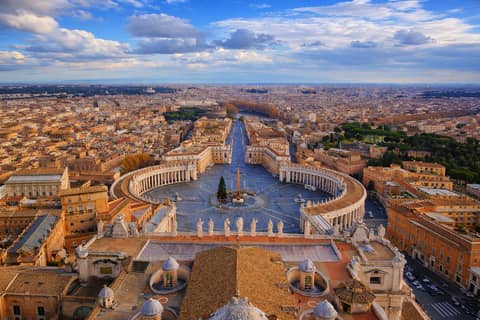
For a quick map in your head: the state sits on the west bank of the Tiber, and the Wikidata coordinates place it at 41.904, 12.453. St. Peter’s Square is the grand front door. The museums have a separate entrance on Viale Vaticano, which is a different walk, so I always tell readers to check which entrance their ticket needs, because walking to the wrong side of the walls can cost you twenty minutes you do not have when a timed slot is running.
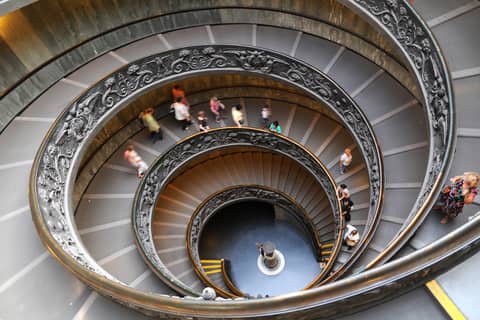 Want a closer look? Vatican: Museums & Sistine Chapel Entrance Ticket, from $36See times →
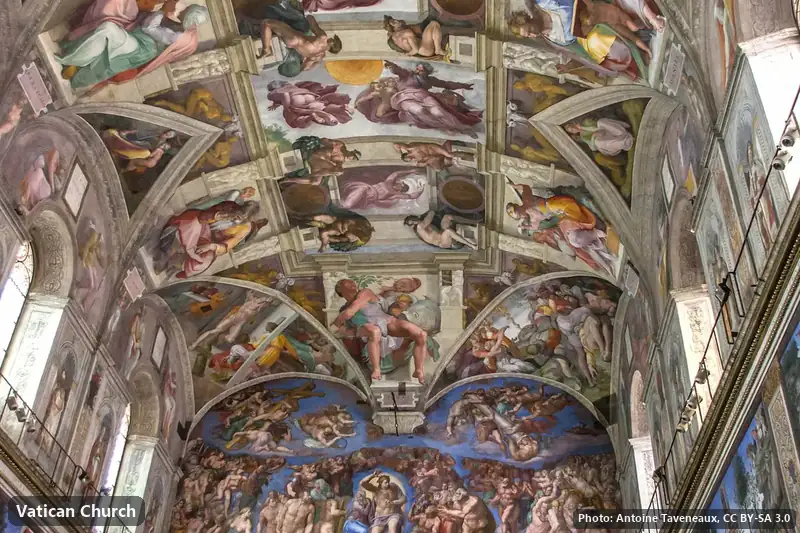
Is Le Vatican a Country, and Is It in France?
Le Vatican is a country, and no, it is not in France. It is an independent state inside Rome, which is in Italy, and Wikipedia calls it both the smallest country by area and the least populous.
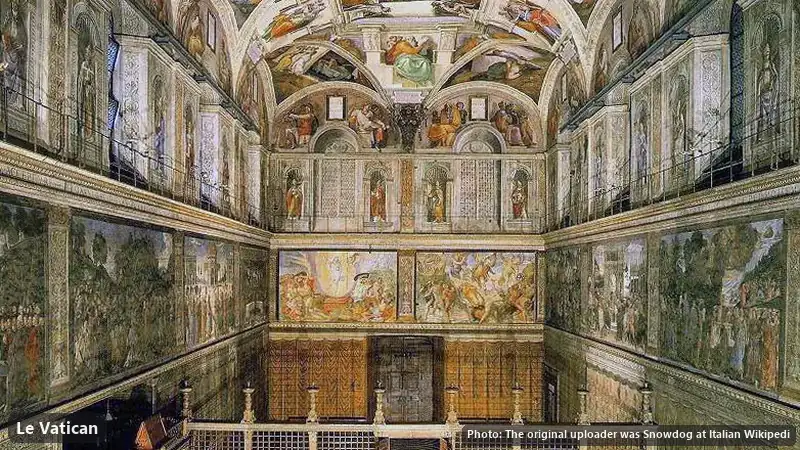 Book aheadVatican: Museums & Sistine Chapel Entrance TicketCheck availability · from $36
The confusion is easy to understand. The French spelling and related French terms show up on many websites. But the place itself is in Italy, surrounded by Italian territory. Vatican City uses the euro, issues its own euro coins and is a de facto member of the Schengen Area, per Wikipedia. Its official language list on Wikidata includes Italian and Latin.
If you are traveling from France, you will arrive in Rome and then walk or take transit to the Vatican. There is no separate border crossing for most visitors, only security checks at the sights.
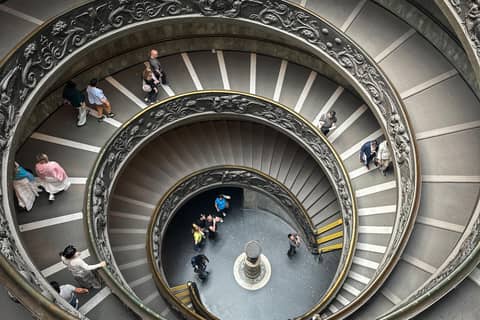 Skip the ticket line: Vatican Museums & Sistine Chapel Skip-the-Line Entry Ticket, from $53Check dates →
How Did Le Vatican Become a State?
Le Vatican became a state through the Lateran Treaty, signed in 1929, which made it a modern sovereign city-state. Before that, the popes had ruled the Papal States, which, according to Wikipedia, formed in 756 with the donation of Frankish territory.
Here is the short timeline from Wikipedia:
- 1st century AD: Catholic theology holds that Saint Peter was crucified on Vatican Hill.
- 756: The Papal States form on the Italian Peninsula.
- 1377: The pope returns to Rome at the end of the Avignon Papacy.
- 1870: The Kingdom of Italy captures Rome, and the pope declares himself a “prisoner in the Vatican.”
- 1929: The Lateran Treaty settles the “Roman question” and creates the modern state.
Wikidata lists the inception date as 1929-02-11. That one date matters for visitors, because it explains why a tiny piece of Rome has its own post, coins, police-style guard and diplomatic relations. The Wikipedia article says the Holy See keeps diplomatic relations with 180 states and is an observer state of the United Nations.
“Vatican City, officially the Vatican City State, is a landlocked sovereign city-state in Southern Europe.”
 Short on time? Rome: Vatican Museums, Sistine Chapel & Basilica Tour, from $71Book a slot →
Le Vatican by the Numbers
Le Vatican by the numbers looks tiny on paper, yet the place is huge in what it holds. These figures come from Wikidata’s record for Vatican City, and I added what each one means when you plan a trip:
- Area: 0.44 km². You can cross the state quickly. Your time goes into queues and galleries, not walking.
- Population: 949 (2024). Most people you see inside are visitors, not residents.
- Inception: 1929-02-11. The state is younger than the buildings it contains.
- Heritage designation: World Heritage Site. The whole city-state is protected, which is part of why security and crowd rules are strict.
- Currency: euro. Bring a card or euros. The state does not use a separate money.
- Official languages: Italian and Latin. Signs at major sights are usually multilingual, but official documents lean on Italian and Latin.
- Head of state: Leo XIV. The pope is also the head of the Catholic Church.
- Time zone: Central European Time (UTC+01:00). Set your clock to Rome time.
Note that Wikipedia’s article text gives a slightly different area (0.49 km²) and a population of about 882. Sources vary by year and method, so I use Wikidata for the figures above and treat everything as approximate.
 Prefer a guide? Vatican Museums, Sistine Chapel & St. Peter's Basilica Tour, from $60See tours →
Who Runs Le Vatican?
The pope runs Le Vatican as its top authority. Wikipedia describes the state as an absolute monarchy under the pope, who is elected by the College of Cardinals through conclaves and delegates authority to the Pontifical Commission for Vatican City State.
Wikidata lists Leo XIV as head of state and Raffaella Petrini as head of government. If you were searching for a “president,” there is no president in the usual sense. The pope holds the top role.
Security is handled in part by the Pontifical Swiss Guard. According to the official Vatican profile, Pope Julius II founded it in 1506. It is made up of Swiss citizens, protects the pope and guards the accesses to Vatican City State. The Swiss Guard also guards the Conclave when the see is vacant.
You may see guards in uniform at entrances. Photos with them are common, but remember they are on duty, so keep a respectful distance. Their uniforms are a good reminder that this is a working state with real rules, not only a museum.
 Planning ahead? Rome: Vatican Museums, Sistine Chapel and Basilica Access, from $68Check availability →
What Can You Visit Inside Le Vatican?
Visitors inside Le Vatican can see three headline sights within the walls: the Vatican Museums, the Sistine Chapel and St. Peter’s Basilica. Wikipedia also lists the Apostolic Palace and the Vatican Library among the notable buildings, though I have no source saying they are open to ordinary visitors.
Here is how the main three compare, using the Google Maps opening hours. Hours change, so always confirm on the official Vatican Museums site before you go.
| Sight | Typical hours (Maps data) | What I’d tell a friend |
|---|---|---|
| Vatican Museums | Mon-Sat 8 am-8 pm, Sunday closed | Book a timed slot, then plan on several hours |
| Sistine Chapel | Mon-Sat 8 am-8 pm, Sunday closed | Reached through the museums route |
| St. Peter’s Basilica | Daily 7 am-7:10 pm | Free entry, but crowd control can limit access |
The Sistine Chapel is part of the museum visit, so one ticket covers both. St. Peter’s Basilica is a separate entrance from Piazza San Pietro, and one tour listing in the brief notes that the Basilica is free of charge but that access is not guaranteed because crowd control can change it.
Here is where the three sights and a nearby lunch spot sit on the map:
Vatican Museums
Art museum · ★ 4.6 · 213,480 Google reviews
00120 Città del Vaticano, Vatican City
Opening hours
- Friday8 am–8 pm
- Monday8 am–8 pm
- Saturday8 am–8 pm
- SundayClosed
- Thursday8 am–8 pm
- Tuesday8 am–8 pm
- Wednesday8 am–8 pm
Saint Peter’s Basilica
Basilica · ★ 4.8 · 185,703 Google reviews
Piazza San Pietro, 00120 Città del Vaticano, Vatican City
Opening hours
- Friday7 am–7:10 pm
- Monday7 am–7:10 pm
- Saturday7 am–7:10 pm
- Sunday7 am–7:10 pm
- Thursday7 am–7:10 pm
- Tuesday7 am–7:10 pm
- Wednesday7 am–7:10 pm
Sistine Chapel
Catholic church · ★ 4.7 · 98,723 Google reviews
00120 Città del Vaticano, Vatican City
Opening hours
- Friday8 am–8 pm
- Monday8 am–8 pm
- Saturday8 am–8 pm
- SundayClosed
- Thursday8 am–8 pm
- Tuesday8 am–8 pm
- Wednesday8 am–8 pm
Ristorante Pizzeria Castello
Pizza restaurant · ★ 4.7 · 18,643 Google reviews
Via delle Fornaci, 27, 00165 Roma RM, Italy
Opening hours
- Friday11 am–11 pm
- Monday11 am–11 pm
- Saturday11 am–11 pm
- Sunday11 am–11 pm
- Thursday11 am–11 pm
- Tuesday11 am–11 pm
- Wednesday11 am–11 pm
One Basilica visitor wrote that they arrived at 6:45 am, found a line already forming and still got in quickly:
“Do not miss this place for a FREE location! This is the most beautiful church I've ever been to. Once your through security and the main doors, you are truly hit by the size and artwork. We got there 645am and already there's a line but got in very quickly. If your just there for free visit, you can see most of it in 40mins. Pay extra for the other locations.”
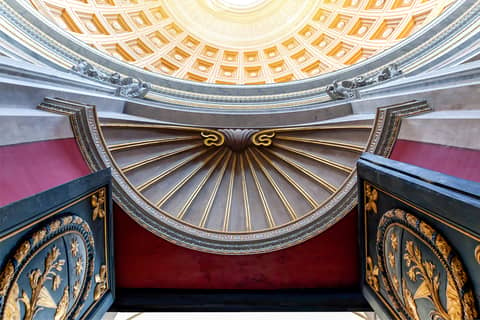 Most booked this week: Rome: Vatican Museums & Sistine Chapel Skip-The-Line Ticket, from $32See prices →
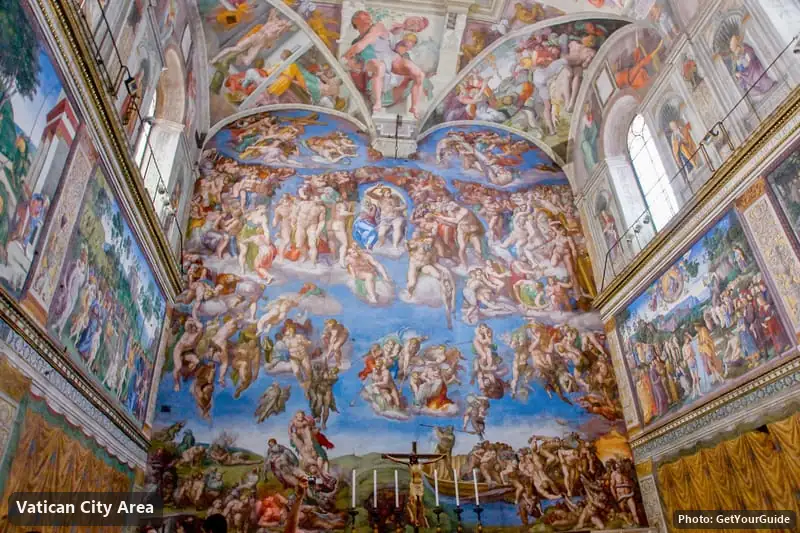
Le Vatican Entry Tickets Explained
Le Vatican entry tickets are timed for the museums and the Sistine Chapel, so most visitors need one, and I’d book it ahead. Booking early avoids the longest walk-up waits, and it lets you choose a time that fits your day.
One reviewer on Google Maps said getting tickets online felt hard and that they turned up around 5 pm and waited 30 to 40 minutes. They saw the galleries before closing, but it was a rush. That is a good reminder that late walk-ups leave little time inside. My advice is to treat the afternoon as a bonus, not a plan. A morning slot gives you room to stop in front of a painting, double back and still reach the chapel without hurrying. Closing time is fixed, so every minute lost in a queue comes out of your visit.
“Truly amazing. The photos you see online don’t do the place justice. Just standing in the halls admiring some of Ancient Greek/Ancient Rome/renaissance/baroque masterpieces is beyond words. Definitely worth going too. Getting tickets online is a nightmare, so we turned up at roughly 17:00 and waited for 30/40mims to get tickets. We managed to get round the gallaries before closure, but it was a bit of rush.”
There are two broad choices, and I explain each in a separate guide. If you want to understand the ticket types, book Vatican tickets online and compare the options side by side. If you are reading in French, my page on how to réserver des billets pour la cité walks through the same steps.
Here are three tours that fit different needs. The first is an entry ticket for exploring on your own with an audio guide option. The second adds a host who meets you near the entrance. The third includes a licensed guide.
Vatican: Museums & Sistine Chapel Entrance Ticket
Powered by GetYourGuide · affiliate link
Vatican Museums & Sistine Chapel Skip-the-Line Entry Ticket
Powered by GetYourGuide · affiliate link
Rome: Vatican Museums, Sistine Chapel & Basilica Tour
Powered by GetYourGuide · affiliate link
Their prices were listed in US dollars at the time of my research, so check the current price on the booking page. None of these are the official ticket office; they are third-party listings on GetYourGuide, and I earn a commission if you book through my links.
Best value pick: Vatican: Museums & Sistine Chapel Entrance Ticket, from $36View dates →Which Site Should You Use to Buy a Ticket?
The site to buy a ticket from is the official Vatican Museums website if you want to go straight to the source, or a reseller if you want a guided tour or a host. The official site is museivaticani.va, and it also lists opening hours and temporary closures.
Resellers add services such as guides, headsets or a meeting point near the entrance. That can be handy, but read the inclusions. For example, one listing in my data excludes the guided tour and the Basilica dome, while another includes a licensed guide.
If you are unsure where to start, my page on which site to use for tickets compares the main options for French-speaking readers. For a simple single-ticket walkthrough, see this French ticket guide.
Going with family? Vatican Museums & Sistine Chapel Skip-the-Line Entry Ticket, from $53Compare tickets →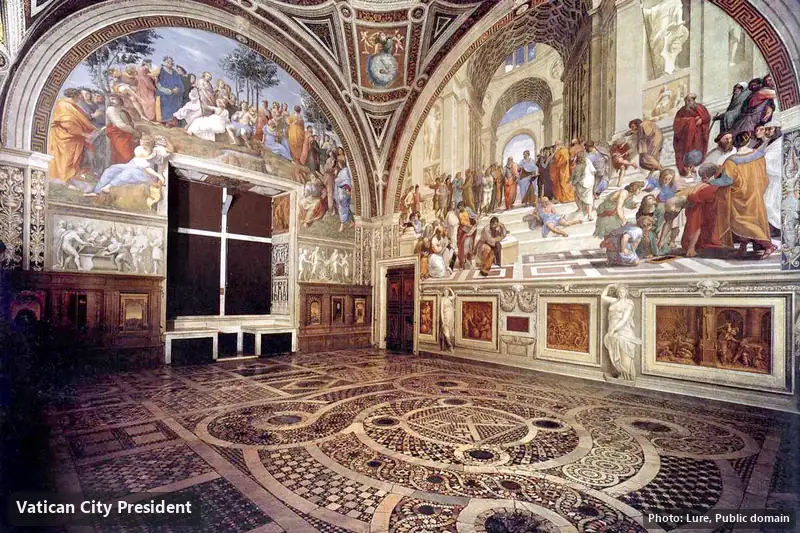
What Do French-Speaking Visitors Need to Know?
French-speaking visitors have the official state website, which Wikidata lists with a French-language page at vaticanstate.va. The state’s official languages are Italian and Latin, but information for tourists is widely available in other languages.
Some searchers look for a dress code in French before they go. I do not have a verified rule from the official pages in my research, so I won’t guess. Check the official museum and Basilica pages for current rules on clothing before you pack, because refusals at the door ruin a booked slot.
For general planning, the main Vatican guide I keep updated is the complete Vatican overview. My hub on about Vatican City collects the history, facts and rules pages in one place.
Want a closer look? Rome: Vatican Museums, Sistine Chapel & Basilica Tour, from $71See times →How to Plan a Day at Le Vatican
A day at Le Vatican works best in this order: book the museum slot first, then fit the Basilica around it. Museums and the Sistine Chapel are closed on Sundays according to the Maps data, so avoid Sunday if the museums matter to you.
My practical checklist:
- Pick a day Monday to Saturday for the museums and Sistine Chapel.
- Book a timed entry and note the entrance named on your ticket. One listing in the brief says the museum entrance is on Viale Vaticano.
- Arrive before your slot. One listing says latecomers are not guaranteed skip-the-line entry.
- Save the Basilica for another time slot, and go early if you can. The Maps data shows it opens at 7 am.
- Eat outside the walls. A pizza restaurant, Ristorante Pizzeria Castello, appears in the map block above and is open 11 am to 11 pm in the Maps data.
I’d also leave buffer time between the museums and the Basilica. Security lines and crowd control can add waiting you did not plan for.
Skip the ticket line: Vatican Museums, Sistine Chapel & St. Peter's Basilica Tour, from $60Check dates →Final Tips for Visiting Le Vatican
Visiting Le Vatican rewards a little planning. Remember the core facts: it is an independent state inside Rome, not France, with a small area and a very large collection of art and history.
My three rules are simple. Confirm hours and prices on the official Vatican Museums website. Book a timed ticket for the museums before you arrive. And keep the Basilica as a separate, flexible stop. If you want a guide, choose one of the tours above or browse the full set on my homepage for skip-the-line Vatican tickets.
Short on time? Rome: Vatican Museums, Sistine Chapel and Basilica Access, from $68Book a slot →Top-rated Vatican tickets and tours
Vatican: Museums & Sistine Chapel Entrance Ticket
Powered by GetYourGuide · affiliate link
Vatican Museums & Sistine Chapel Skip-the-Line Entry Ticket
Powered by GetYourGuide · affiliate link
Rome: Vatican Museums, Sistine Chapel & Basilica Tour
Powered by GetYourGuide · affiliate link
Frequently asked questions
What is the population of Vatican City?
Wikidata lists a population of 949 for Vatican City in 2024. Counts differ by source and year, so treat any figure as a rough guide to a very small community.
How big is Vatican City?
Wikidata gives the area as 0.44 km². That is small enough to cross on foot in a short time, even though the Vatican Museums alone take hours to see.
Who leads Vatican City?
Wikidata names Leo XIV as head of state and Raffaella Petrini as head of government. Wikipedia describes the state as an absolute monarchy under the pope, who delegates authority to the Pontifical Commission for Vatican City State.
What currency and language does Vatican City use?
Vatican City uses the euro, and Wikidata lists Italian and Latin as its official languages. It even issues its own euro coins, according to Wikipedia.
What time zone is Vatican City in, and what is its phone code?
Wikidata lists Central European Time (UTC+01:00) and the country calling code +379. Its internet domain is .va.
Keep planning your visit
- Comment Réserver Des Tickets Pour Le Vatican
- Sur Quel Site Peut-on Acheter Des Tickets Pour Le Vatican
More About Vatican City guides
Online Vatican Tickets is an independent visitor guide. Prices and hours change: check the official Vatican Museums website before you go. Tour links are GetYourGuide affiliate links.